Key Technical Points for Preventing Premature Senescence in Cotton at the Mid-to-Late Growth Stage
The Spring Equinox has passed, and cotton seedling raising is imminent. In order to seize the optimal period for cotton seedling raising and to raise sufficient and good-quality cotton seedlings at the right time, and in light of this year's climate characteristics, cadres at all levels and the broad community of cotton farmers are required to carry out seedling raising work in accordance with the following technical points. 1. Optimal seedling raising time: choose late March to before April 5, on clear and fine...
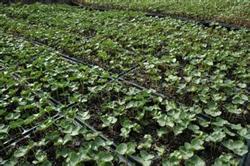 Cotton premature senescence refers to the phenomenon in which cotton, at the very best time for flowering and boll setting, due to poor growth and development, has small leaves and few flower buds, and may even be accompanied by disease, with cotton leaves shedding prematurely and the cotton plant dying. Premature senescence is a major factor causing cotton yield reduction, with yield losses of more than 20%. Therefore, identifying the causes of premature senescence and adopting corresponding countermeasures are very important for cotton production.
I. Causes of Premature Senescence
Premature senescence is mainly caused by disorders in the physiological functions of the cotton plant itself and an imbalance in the supply and distribution of nutrients. The causes of functional disorders include inducing factors such as unfavorable environmental conditions, as well as disease factors, factors of uncoordinated growth and development, and so on, resulting from the combined effects of multiple factors.
II. Prevention and Control Countermeasures
Cotton premature senescence generally occurs in relatively dry years, and premature senescence phenomena appear to varying degrees. In years when premature senescence occurs, if late-season temperatures are high and light is sufficient, a good harvest can still be obtained if comprehensive prevention and control of premature senescence is carried out.
(1) Crop rotation and changing stubble, building soil fertility. Crop rotation can improve the soil ecological environment of cotton fields, reduce the spread of pathogens, and lessen disease. In addition, returning straw to the field and increasing the application of organic fertilizer improve soil structure, build soil fertility, and reduce cotton premature senescence caused by the soil environment.
(2) Strengthen fertilizer and water management. On the basis of applying sufficient basal fertilizer, in dry years fertilizer should be topdressed before full squaring, in normal years before flowering, and in rainy years topdressing should be appropriately delayed. Apply 15-20 kg of urea and 5 kg of potassium chloride per mu as topdressing. The flowering and boll stage has the greatest water demand; avoid water shortage causing impeded leaf development and thus premature senescence. During the squaring stage, flowering and boll stage, and late boll-setting stage, ensure the cotton plants do not lack water.
(3) Select suitable varieties. Because the characteristics of each variety differ, suitable varieties should be selected according to local soil, water, and fertilizer conditions, and so on.
(4) Nurture roots and protect leaves to prevent premature senescence.
(1) For early-developing cotton, especially film-mulched cotton, in order to avoid premature inhibition of vegetative growth, which leads to short plants, short upper fruiting branches, and thus premature decline and death of the plant, 6-8 early buds may be removed in late June to strengthen the nutritional growth of the root system and aboveground parts, promote the building of a high-yielding framework, and facilitate concentrated setting of midsummer bolls and early autumn bolls.
(2) Increase potassium fertilizer application to improve the stress resistance of cotton plants. By mid-August, apply a topping fertilizer, topdressing 10 kg of urea per mu plus spraying 0.2% monopotassium phosphate with 1% urea; by mid-September, spray foliar fertilizer again, which can extend the functional period of leaves, improve the physiological functions of the plant, and delay senescence.