Detailed Explanation of Key Technical Points for Spring Field Management of Garlic
How to manage garlic in spring? Please introduce the water and fertilizer management of garlic after it turns green in spring, which is the key to a bumper garlic harvest. As the weather warms and the plants turn green, water and fertilizer uptake gradually increases, especially during the bolt-bearing stage and the bulb enlargement stage, which are the peak periods of water and fertilizer demand for garlic. Therefore, throughout the entire growth period of garlic, timely irrigation and topdressing should be carried out according to soil moisture, soil fertility and seedling conditions...
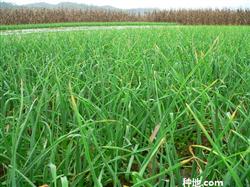
How to manage garlic in spring? Please introduce
The water and fertilizer management of garlic after it turns green in spring is the key to a bumper garlic harvest. As the weather warms and the plants turn green, water and fertilizer uptake gradually increases, especially during the bolt-bearing stage and the bulb enlargement stage, which are the peak periods of water and fertilizer demand for garlic. Therefore, throughout the entire growth period of garlic, timely irrigation and topdressing should be carried out according to soil moisture, soil fertility and seedling conditions, with special emphasis on watering the "three waters" well and applying the "three fertilizers" well.
1. Water the green-turning water well and apply the green-turning fertilizer well. By the Spring Equinox, garlic seedlings begin to turn green and grow. Because the early spring soil temperature is low, it is best to water the green-turning water at noon to promote early seedling growth. Combined with irrigation, apply 15-25 kg of nitrogen-phosphorus-potassium compound fertilizer per mu, or topdress 15 kg of potassium sulfate. After that, control water appropriately to promote root development and the differentiation of garlic bolts and bulbs.
2. Water the bolt-promoting water sufficiently and apply the bolt-promoting fertilizer heavily. From the end of March to the beginning of April is the period when flower buds and scale buds differentiate rapidly, and the plants gradually enter the stage of simultaneous growth of garlic bolts and bulbs. Leaf area reaches its maximum, and garlic bolts grow rapidly. The fertilizer and water management at this stage directly affects the yield of garlic bolts and bulbs. Water demand is therefore relatively high, and irrigation must be timely to meet the needs of growth. Accordingly, apply 25 kg of compound fertilizer per mu with irrigation, and after 15 days apply another 25 kg of nitrogen-phosphorus-potassium compound fertilizer per mu, or 15 kg each of urea and nitric phosphate potassium compound fertilizer. Generally, water once every 7-10 days. During the garlic bolting stage, water once every 5-7 days, apply quick-acting nitrogen fertilizer with every second irrigation, and combine foliar fertilizer spraying with some sulfur supplement, as garlic also has a relatively high sulfur requirement.
3. Water the bulb-enlarging water sufficiently and apply the bulb-enlarging fertilizer skillfully. After harvesting the bolts comes the peak period of bulb enlargement. When harvesting bolts, protect the leaves and root system well. At this time, the main goal is bulb enlargement and weight gain. After harvesting the bolts, water promptly to prevent early aging of garlic leaves, extend the green retention time of leaves, and promote the transfer of nutrients to the bulbs, with the main aim of increasing dry matter accumulation. Therefore, this topdressing should focus on quick-acting nitrogen fertilizer, supplemented by phosphorus and potassium, applying 15-20 kg of urea or potassium sulfate compound fertilizer per mu. Keep the soil moist to meet the later water needs of garlic, and stop watering about one week before harvest.
Click to get more garlic cultivation techniques
Click to get more vegetable cultivation techniques