What are the control methods for tomato fruit rot?
How should tomato fruit rot be controlled? Please advise. During production, tomatoes suffer from various fruit rot diseases. There are many causes of fruit rot, and different control methods should be adopted according to different situations. Fruit rot caused by soft rot. This disease generally occurs on green fruit; after onset, the skin remains intact...
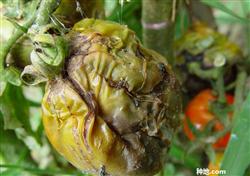
How should tomato fruit rot be controlled? Please advise
During production, tomatoes suffer from various fruit rot diseases. There are many causes of fruit rot, and different control methods should be adopted according to different situations.
Fruit rot caused by soft rot. This disease generally occurs on green fruit. After onset, the skin remains intact, but the inner flesh rapidly rots and gives off a foul odor, and the fruit easily drops off; after drying, the diseased fruit forms a white mummified fruit. Control methods: prune and remove side shoots early, and avoid pruning during rainy weather or before the dew has dried; promptly control fruit-boring pests to reduce insect damage; before onset or in the early stage of the disease, promptly spray with 150-200 PPm agricultural streptomycin solution, or 70% Dexon 1000-fold solution, ensuring 50-75 kg of spray solution per mu, to control the spread of the disease.
Fruit rot caused by fruit rot disease. This disease occurs more often on green fruit. The fruit surface often has brown or dark brown round spots, slightly sunken; the affected area feels hard to the touch, does not soften and rot, and does not drop off. You can use 50% Topsin 150 g per mu, mixed with 50-75 kg of water, for spraying.
Fruit rot caused by cottony leak. Cottony leak, also called brown rot, mainly infects immature fruit. First, smooth light brown spots appear at the blossom end or shoulder of the fruit, sometimes with a small amount of white mold, and then concentric ring-like spots gradually form, turning dark brown; the flesh beneath the skin also turns brown, and in the later stage the whole fruit rots and drops off. Control methods: promptly deal with diseased plants and fruit when symptoms are found. In the early stage of the disease, promptly spray 25% Ridomil 800-1000-fold solution, or use 64% Sandofan wettable powder 500-fold solution per mu, spraying 2-3 times consecutively, once every 4-7 days.
Fruit rot caused by anthracnose. It mainly occurs on ripe fruit. The diseased part first develops small water-soaked transparent spots, which after expanding become brown, slightly sunken, with concentric rings, densely covered with black dots, and secreting a pale red sticky substance; finally the whole diseased fruit rots or drops off. Control methods: mainly do a good job of prevention, such as seed disinfection treatment and crop rotation. 15-20 days after tomato transplanting, spray with Bingtuo wettable powder 700-800-fold solution once every 10-12 days for control. Or use Bordeaux mixture at 1:1:150 alternately. Before onset or in the early stage of the disease, spray 12% green emamectin ketone emulsifiable concentrate 600-fold solution, or 75% chlorothalonil 600-800-fold solution, or 50% carbendazim 800-fold solution, which has a good control effect.
Fruit rot caused by Fusarium. This disease mainly damages ripe fruit. The diseased part is initially pale, later turns brown, with no obvious edge, and after spreading covers the entire fruit. On rainy days or when humidity is high, the diseased part is densely covered with slightly reddish cotton-like mycelium, causing the fruit to rot. Control methods: promptly remove and dispose of diseased fruit when found, prevent healthy fruit from contacting the ground, and before the fruit colors, spray 36% thiophanate-methyl suspension concentrate 500-fold solution, which has a certain disease-prevention effect.
Fruit rot caused by fruit cracking. This disease is caused by water imbalance and appears as cracking of the skin at the fruit stalk, which easily induces soft rot and causes the fruit to rot. Control methods: pay attention to drainage and irrigation, prevent the soil from being too dry or too wet, and spray the leaves with 0.1% calcium nitrate solution, which has a certain control effect.
Click to get more tomato growing techniques
Click to get more vegetable growing techniques