What causes rotten fruit in tomatoes?
What causes rotten fruit in tomatoes? An introduction to tomato rotten fruit: 1. Causes of the disease. The first cause of tomato rotten fruit is a non-infectious physiological disorder, mainly caused by a deficiency of calcium in the fruit and a disruption of water balance. (1) Calcium deficiency in the fruit: Tomato photosynthesis produces various organic acids, among which oxalic acid can cause poisoning and trigger the disease. When calcium is sufficient in the tomato plant, oxalic acid is neutralized by calcium to form calcium oxalate, which prevents the harm of oxalic acid; when calcium is deficient, "blossom-end rot" is prone to occur, causing rotten fruit.
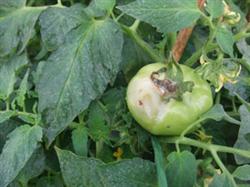
What causes rotten fruit in tomatoes? An introduction
Tomato rotten fruit:
1. Causes of the disease. The first cause of tomato rotten fruit is a non-infectious physiological disorder, mainly caused by a deficiency of calcium in the fruit and a disruption of water balance.
(1) Calcium deficiency in the fruit: Tomato photosynthesis produces various organic acids, among which oxalic acid can cause poisoning and trigger the disease. When calcium is sufficient in the tomato plant, oxalic acid is neutralized by calcium to form calcium oxalate, which prevents the harm of oxalic acid; when calcium is deficient, "blossom-end rot" is prone to occur, causing rotten fruit. (2) Disruption of water supply: After entering the stage of heavy fruiting, the outside temperature rises noticeably, leaf transpiration intensifies, and the rapid expansion of the fruit requires large amounts of water and nutrients. Because of the high transpiration of the leaves, the water that should have been transported to the fruit is taken by the leaves; the osmotic pressure of the leaf cells is higher than that of the green fruit cells, and the leaves even draw water from within the fruit. Therefore, the blossom end of the fruit, which is far from the roots, is the first to be affected by drought, showing water loss, tissue necrosis, and resulting in rotten fruit.
2. Control measures. (1) Improve the soil: Choose sandy loam soil with a deep soil layer and strong water retention capacity for planting tomatoes; for soil that is too sticky or contains too much sand, apply more organic fertilizer to improve its permeability and aeration and enhance its water retention capacity. (2) Fertilize rationally: Avoid applying undecomposed organic fertilizer or fertilizer at too high a concentration, to prevent burning the roots. Base fertilizer should be mainly organic fertilizer, with superphosphate applied along with land preparation. When topdressing, pay attention to the combined use of nitrogen, phosphorus and potassium fertilizers. (3) Strengthen water management: The balanced supply of water to tomato plants must be ensured, especially in early summer when the temperature rises sharply, which is the middle stage of fruiting; do not let the plants suffer from a lack of water or drought. (4) Strengthen plant training: Prune and remove side shoots in time, remove diseased, old and yellow leaves, and also pay attention to thinning flowers and fruits.
3. Causes of the disease. Another cause of tomato rotten fruit is infection by the pathogen of gray mold. The pathogen overwinters and oversummers as sclerotia, mycelium or conidia on diseased plant residues, in the soil or on the soil surface. The flowering stage is the peak period of gray mold infection.
(1) Flood irrigation combined with cloudy days: This is the main cause of gray mold. The pathogen prefers low temperature, high humidity and weak light. Once conditions are suitable, it invades through wounds, senescent organs and flower organs, causing rotten fruit. (2) Excessive density and insufficient light: With luxuriant branches and leaves, old yellow leaves not pruned, and tender shoots growing in layers, vegetative growth is excessive, resulting in insufficient light for the plants and bacterial proliferation. (3) Incomplete removal of diseased fruits and leaves: Being negligent about diseased fruits and leaves, not removing them or removing them incompletely, will cause cross-infection with healthy plants.
4. Disease control measures. (1) Integrated control: Raise strong seedlings in disease-free soil. Plant at a reasonable density, strengthen ventilation and light penetration; especially on cloudy days, besides keeping warm, strictly control irrigation. Clean up diseased plant residues in time, remove diseased fruits and leaves, and collect them for burning or deep burial. (2) Chemical control: For spraying, choose 50% procymidone wettable powder at 1500 times dilution; 50% iprodione wettable powder at 1000 times dilution; 50% carbendazim wettable powder at 800 times dilution.
Click to get more tomato growing techniques
Click to get more vegetable growing techniques