How to prevent green-shouldered tomatoes? Practical control methods
How to properly control tomato bacterial wilt? Please note that the following points should be handled well in the control of tomato bacterial wilt: 1. Select and breed disease-resistant, tolerant, high-yield varieties according to local conditions, and rotate to new varieties; 2. Implement crop rotation in severely affected areas and severely affected fields, preferably paddy-upland rotation with rice; 3. Strengthen fertilizer and water management. Improve drainage and irrigation systems, plant on high ridges with deep furrows...
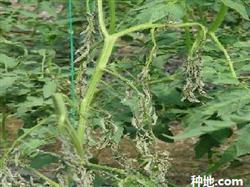 How should green-shouldered tomatoes be prevented? Please provide guidance
Green-shouldered tomato fruit is a type of rib discoloration fruit. There are many causes of green-shouldered tomato fruit, among which the most important is unbalanced fertilization, caused by high nitrogen and low potassium. Excessive application of nitrogen fertilizer with relatively insufficient potassium is the main cause of green-shouldered tomato fruit. After tomatoes enter the full fruiting stage, encountering unfavorable weather (low temperature, weak light), or unreasonable fertilization (over-application of nitrogen fertilizer), can also easily trigger green-shouldered fruit. The following measures can be taken to prevent it:
Increase the application of organic fertilizer, adopt formula fertilization technology, and avoid using too much ammonium fertilizer, so as to adjust the ratio of nitrogen, phosphorus, and potassium in the soil and promote the plant's absorption and utilization of potassium. This is the most important measure to prevent green-shouldered tomato fruit.
Extend the vegetables' exposure time to light. When the fruit enters the color-turning stage, remove the lower leaves of the color-turning fruit clusters and nearby leaves. Increasing light can reduce the occurrence of green-shouldered fruit.
Strengthen roots and nourish roots to enhance plant resistance. Use foliar fertilizer containing multiple elements (boron, calcium, magnesium, iron, zinc) on the leaves, with the amino acid type being preferable, to promote dark green leaves, enhance photosynthesis, and increase the absorption of boron and calcium elements, which can reduce green shoulders, cracked fruit, and so on.
Temperature must be strictly controlled. The daytime temperature should be controlled at 25°C~30°C, and the nighttime temperature should be maintained at 14°C~16°C. The difference between day and night temperatures should not exceed 15°C.
Balance the number of fruits set on the plant. There should not be too many fruits set or too low a fruit-setting position.
Control the concentration of flower-dipping hormone and do not make it too high. After using flower-dipping agent to treat flowers, fertilizer should be supplemented in time.
For greenhouses where green-shouldered fruit has already occurred, high-potassium foliar fertilizer, chitosan, etc. can be sprayed to alleviate the symptoms.
Click to get more tomato growing techniques
Click to get more vegetable growing techniques