Comprehensive Control Methods for Peanut Wilt Disease in Early Spring Plastic Mulch Cultivation
Peanut wilt disease includes stem rot, root rot, southern blight, stalk rot and several other diseases, and it severely affects early spring plastic mulch peanut production. 1. Disease characteristics. Their common feature is that the peanut stem or leaf wilts and the affected part becomes discolored and necrotic. Generally, continuous cropping plots and plots with poor soil are more severely affected; rotation plots and plots with high fertility...
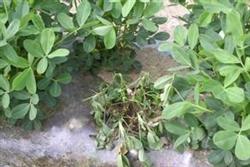
Peanut wilt disease includes stem rot, root rot, southern blight, stalk rot and several other diseases, and it severely affects early spring plastic mulch peanut production.
1. Disease characteristics. Their common feature is that the peanut stem or leaf wilts and the affected part becomes discolored and necrotic. Generally, continuous cropping plots and plots with poor soil are more severely affected; rotation plots and plots with high fertility and good soil are less affected. During the flowering period, high temperature and heavy rain lead to severe disease; especially when it clears up after rain, infected peanut plants will quickly wilt and die.
2. Control methods
For the control of this type of disease, it is best to adopt a preventive-first, integrated control approach.
1. Select disease-free seeds and disease-resistant varieties. Before sowing, remove moldy, discolored, damaged and shriveled seeds, and select disease-free, plump seeds; pay attention to selecting disease-resistant varieties, such as Wanhua No. 2, which is resistant to bacterial wilt.
2. Rotation and crop change. For lightly affected plots, rotation every other year can be practiced to suit the peanut's preference for new soil; for severely affected plots, peanut should be planted again only after 2 to 3 years, and where conditions permit, paddy-upland rotation can be practiced.
3. Deep plowing to improve soil and application of clean fertilizer. For shallow, poor sandy soil, deep plowing and increased fertilization are needed to build fertility, create good growing conditions for the plants and enhance plant resistance. At the same time, deep plowing can bury sclerotia and reduce the source of inoculum. Organic fertilizer should be composted and thoroughly decomposed, and fertilizer carrying pathogens should be applied as little as possible.
4. Apply more plant ash and lime. When preparing the soil before sowing, apply 50 to 100 kg of plant ash and 25 to 50 kg of lime per mu as a base application, which can both enhance the plant's disease resistance and kill pathogens, achieving the purpose of disease prevention. It can be applied once more at the flowering stage.
5. Chemical control. Seeds can be dressed or soaked with 50% carbendazim wettable powder at a rate of 1% of seed weight. After emergence, inspect carefully; when diseased plants are found, pull them out promptly with roots, take them out of the field and dispose of them centrally to prevent spread. At the same time, use carbendazim suspension concentrate and agricultural streptomycin diluted with water to alternately drench the root zones, using about 250 g of solution per plant, to control pathogens and protect nearby healthy plants not yet affected.