Practical methods for getting loofah to produce female flowers earlier and in greater numbers
How can you get loofah to produce female flowers earlier and in greater numbers? Please advise. Late appearance and low numbers of female flowers in loofah are the most common and most important problems encountered in summer loofah cultivation. So what exactly causes abnormal female flower production in summer loofah? The timing and quantity of male and female flowers in loofah vary significantly depending on the variety...
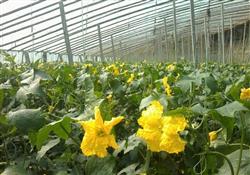
How can you get loofah to produce female flowers earlier and in greater numbers? Please advise
Late appearance and low numbers of female flowers in loofah are the most common and most important problems encountered in summer loofah cultivation. So what exactly causes abnormal female flower production in summer loofah?
The timing and quantity of male and female flowers in loofah vary significantly depending on the variety. The poor female flower differentiation and poor fruit-setting ability of summer-crop loofah are closely related to the varieties growers choose. If ordinary loofah is planted in summer, flowering is generally delayed, and some varieties may not even flower or set fruit. At present, growers in Shouguang and other places mostly save their own seed when planting loofah, and these varieties are the ones growers use for overwintering cultivation; their female tendency is weak and their requirement for short-day conditions is relatively strict. Growers do not notice this and still plant the same variety for the summer crop, so problems of delayed female flower differentiation, low numbers and difficulty setting fruit are inevitable. Whether in winter or summer, growers all use self-saved seed of the same variety, and this has become the main reason summer loofah yields are low and difficult to manage.
Aside from variety-related reasons, what other factors can affect female flower differentiation? Especially now that the Beginning of Summer solar term has just passed, day length is not particularly long, so it should not be the biggest obstacle to female flower differentiation in loofah. Simply blaming the influence of light duration is premature at this point. I have carefully observed that most of the growers currently having fruit-setting problems are beginners growing loofah for the first time. They lack management experience; after transplanting loofah they are eager to push plant growth, and the manure applied in the base fertilizer itself has a particularly high nitrogen content. Combined with heavy watering, this easily leads to excessive vegetative growth, and problems of low female flower differentiation are hard to avoid. Through reasonable management measures, the situation of few female flowers can be completely avoided." The information the reporter later learned was basically the same as what Master Du said: the vast majority of growers with this kind of problem are beginners who started growing summer loofah only this year.
Loofah likes high temperatures, but during the seedling stage the growing temperature for loofah should not be controlled too high, otherwise it easily promotes spindly growth, thin and weak stems, and flowering will also be affected. As outdoor temperatures gradually rise, on May 18 the maximum temperature in Shouguang and other places reached 33°C. Under these conditions, the temperature inside the greenhouse easily exceeds 35°C, and with poor ventilation it can even exceed 40°C. Under high-temperature conditions, with very heavy fertilization, especially excessive nitrogen fertilizer, and ample water, loofah plants are extremely prone to excessive vegetative growth. In addition, many growers do not pay attention to regulating nighttime temperature; at night the minimum temperature inside the greenhouse is also above 20°C. All of these lead to a higher node position for female flower differentiation and delay the time of flowering.
Click to get more loofah cultivation techniques
Click to get more vegetable cultivation techniques