How to manage loofah seedlings? These methods you need to master
How to manage loofah seedlings? Please help guide. In order to make full use of the land, promote the growth of loofah, increase yield and benefits, and save seeds, loofah should also be cultivated by raising seedlings in advance and transplanting immediately after the last frost. Because planting density differs, the amount of loofah seed used varies greatly. For seedling transplanting...
How to manage loofah seedlings? Please help guide
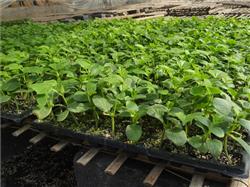
In order to make full use of the land, promote the growth of loofah, increase yield and benefits, and save seeds, loofah should also be cultivated by raising seedlings in advance and transplanting immediately after the last frost. Because planting density differs, the amount of loofah seed used varies greatly. For seedling transplanting, generally about 250 grams of loofah seed is needed per mu. Before sowing, the seeds should be disinfected, soaked and pre-germinated, and mixed with New High Lipid Film (can be mixed with seed coating agents or pesticides), to keep warm and moist, repel underground pests and diseases, isolate virus contamination, enhance the imbibition function for germination, and increase the seed germination rate.
The seedling age of loofah is preferably about 40 days. When the seedlings grow about 3 to 4 true leaves, they can be transplanted. Loofah has a well-developed root system. To reduce root damage during transplanting and help it resume growth promptly, spraying New High Lipid Film at transplanting can effectively prevent the seedlings from wilting due to water transpiration, improve resistance to pests and diseases, shorten the seedling recovery period, quickly restore vigor, and grow strong.
Click to get more loofah planting techniques
Click to get more vegetable planting techniques