How can chemical control of rice pests and diseases reduce pesticide damage?
How to treat rice sheath blight? What methods can be used to prevent and control rice sheath blight? The following measures are mainly taken: 1. Select disease-resistant varieties. 2. Salvage sclerotia to reduce the source of inoculum. 3. Strengthen cultivation management, apply sufficient base fertilizer, apply topdressing early, do not apply nitrogen fertilizer alone, increase phosphorus and potassium fertilizer, adopt formula fertilization technology, so that...
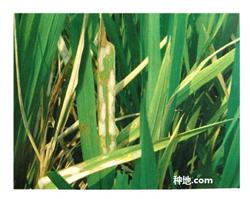 How can chemical control of rice pests and diseases reduce pesticide damage? What methods can be used?
Chemical control is a supplementary measure for high-quality rice production and can be used only when it is very necessary. In particular, it must be based on forecasts and predictions of pests and diseases, accurately grasp the control thresholds and appropriate control periods, and select pesticide varieties that are highly effective, low in toxicity, and low in residue, so as to effectively control the occurrence and damage of pests, diseases, and weeds while minimizing pesticide pollution and protecting the ecological environment. When pests and diseases first occur or occur at ordinary levels, use pollution-free biological pesticide varieties; when pests and diseases occur severely, choose mixtures of biological pesticides and chemical pesticides or chemical pesticide varieties; when two or more pests and diseases occur, choose pesticide compound formulations with combined control effects.
Chemical control should strictly implement the national "Guidelines for the Rational Use of Pesticides" (GB8321) and the "Standards for the Safe Use of Pesticides" (GB4284). According to the pesticide use guidelines for pollution-free rice production, pesticide varieties that are highly toxic, highly toxic, or have high residues are strictly prohibited; pesticide varieties that are highly effective, low in toxicity, and safe are restricted in use; pollution-free, non-polluting biological and plant-derived pesticide varieties are promoted, and pesticide residues such as organophosphorus and organochlorine in rice grain are reduced. When using them, strive to achieve diversification of pesticide varieties and formulations, select new pesticide varieties and new formulations that are highly effective, low in toxicity, low in residue, economical, and safe, especially the application of selective pesticides, strictly grasp the thresholds for pest control, and control only when the pest and disease control threshold is reached. Rice fields that have not reached the control threshold must not use pesticides, so as to reduce the number of pesticide applications and reduce the total amount of pesticides input into rice fields. Strictly grasp the application dose of pesticides, with the lower limit of the optimal dosage range being preferable, implement targeted treatment, reduce blanket treatment, and lessen the killing of beneficial organisms and pollution of the environment by pesticides. Special attention should be paid to the research and coordinated application of dynamic control thresholds and dynamic pesticide doses, and the pre-harvest interval of pesticides should be strictly implemented to ensure that rice meets the sanitary and safety quality of pollution-free products.
Click to get massive rice cultivation techniques
Click to get massive grain cultivation techniques