How should hybrid rice be planted to achieve high yields?
How should hybrid rice be planted to achieve high yields? Technical guidance requested. When planting hybrid rice, pay attention to the following points: 1. Carefully select good seed. The hybrid rice combinations currently being promoted nationwide include double-season early rice, double-season late rice, single-season medium rice early-maturing varieties, single-season medium rice late-maturing varieties, hybrid japonica rice, etc. Different hybrid rice...
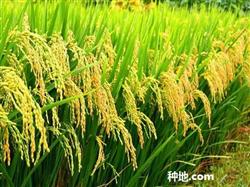
How should hybrid rice be planted to achieve high yields? Technical guidance requested
When planting hybrid rice, pay attention to the following points:
1. Carefully select good seed
The hybrid rice combinations currently being promoted nationwide include double-season early rice, double-season late rice, single-season medium rice early-maturing varieties, single-season medium rice late-maturing varieties, hybrid japonica rice, etc. Different hybrid rice combinations have different ranges of adaptability and performance characteristics. At present, hybrid rice accounts for more than 95% of the planting area. Some unscrupulous traders sell fake and inferior seed, cheating and harming farmers. Therefore, farmers are reminded that when buying seed they should not only listen to the dealer's promotion of a certain variety, but also carefully check whether the variety has passed provincial-level approval. If it has not been approved, it is best to purchase with caution to avoid unnecessary losses.
2. Scientific seed soaking and sprouting
If hybrid rice seed is sprouted improperly, the sprouts are easily damaged by heat, but if the correct sprouting method is mastered, heat damage to the sprouts can be avoided. Because hybrid rice seed is bred from the male parent and female parent through a series of seed production techniques and has its own characteristics, it cannot be sprouted in the same way as conventional rice seed by using high temperature and large piles. Before soaking the seed, spread the seed out to dry in the sun for 1 day, then soak it in a fungicide solution such as carbendazim for 12 hours to kill the pathogens carried on the seed coat, then repeatedly rinse with clean water until the water becomes clear, and then begin soaking the seed. Generally, it should be soaked for 3 days so the seed can fully absorb water. Because the seed respires, and because the seed coat carries various chemical solutions and hormones, the water will become cloudy during soaking and give off an unpleasant odor; these are all normal phenomena. Rinse with clean water 3 to 4 times each day. After 3 days, rinse the seed clean, then preheat the seed with water at 50°C to 60°C, wrap the seed well in a wet gunny sack, place it in a vat or other container, and pack straw and similar materials around it to keep it warm, maintaining the temperature at 35°C to 38°C; in this way, rice sprouts can be produced in 24 hours. After the rice sprouts emerge, the respiration of the seed increases and releases a large amount of heat, making heat damage to the sprouts most likely at this time; at this point, immediately lower the temperature to 28°C. Under these conditions, let the sprouts grow until the sprout is as long as the grain and the root is 1/2 the length of the grain, then spread the seed out and harden the seedlings under natural conditions for 1 day, and it can be sown.
3. Determine a suitable sowing period
According to surveys, farmers currently tend to sow too early; some sow in early April and raise seedlings under open-air conditions. Early spring weather is changeable, and rotten sprouts and rotten seedlings occur from time to time. Resowing after rotten sprouts and rotten seedlings causes unnecessary losses to production. Therefore, one must not sow early blindly. The critical temperature for rice growth and development is 12°C. Meteorological data over many years show that the temperature in Xinyang City is stable at 12°C after April 20. Therefore, the sowing period for spring rice in the rice region of southern Henan is mid-April, and the sowing period for wheat-stubble rice is late April.
Click to get a large amount of rice planting technology
Click to get a large amount of grain planting technology