What are the main causes of corn lodging?
Why does corn lodge? How can it be prevented and controlled? Corn lodging is divided into three types: stalk lodging, root lodging, and stalk breakage. Stalk lodging occurs when the stalk is long and thin, the plant is too tall, and strong winds and heavy rain cause mechanical tissue damage at the base of the stalk. Root lodging occurs when the root system is poorly developed and excessive rain, combined with wind, causes lodging with a relatively large angle of lean; stalk breakage is mainly...
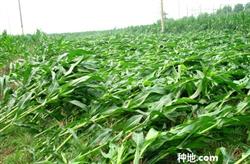
Why does corn lodge? How can it be prevented and controlled?
Corn lodging is divided into three types: stalk lodging, root lodging, and stalk breakage. Stalk lodging occurs when the stalk is long and thin, the plant is too tall, and strong winds and heavy rain cause mechanical tissue damage at the base of the stalk. Root lodging occurs when the root system is poorly developed and excessive rain, combined with wind, causes lodging with a relatively large angle of lean; stalk breakage is mainly caused by rapid growth before tasseling, tender and weak stalk tissue, and damage from pests and diseases, with stalks snapping in the wind.
When corn lodges during the growth period, timely rescue can reduce losses. If lodging occurs after jointing but before tasseling, the plant has a strong ability to recover on its own, so manual support is not needed; simply let it recover by itself after the weather clears. After severe lodging, promptly lift the plants by hand; while lifting them upright, also earth up the soil and apply additional fertilizer to prevent lodging from happening again. For plants whose stalks are not completely broken apart, they can be reconnected by hand; for example, wrapping the broken point with a ring of plastic film as in grafting allows most of them to continue growing.
Click to get more corn cultivation techniques
Click to get more grain crop cultivation techniques