What causes zucchini not to swell its fruit?
What causes zucchini not to swell its fruit? How should it be prevented and controlled? Zucchini failing to swell its fruit is caused by low temperature and insufficient light. There are many consecutive overcast days, and the greenhouse stays under continuous low temperature and poor light, so the plants grow and develop slowly, and the synthesis and transport of nutrients are blocked. During the day, photosynthesis produces few photosynthetic products, and the nutrient supply is insufficient; moreover, low temperatures...
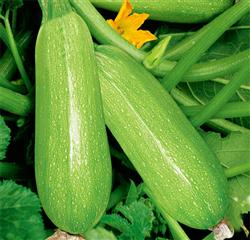
What causes zucchini not to swell its fruit? How should it be prevented and controlled?
Zucchini failing to swell its fruit is caused by low temperature and insufficient light. There are many consecutive overcast days, and the greenhouse stays under continuous low temperature and poor light, so the plants grow and develop slowly, and the synthesis and transport of nutrients are blocked. During the day, photosynthesis produces few photosynthetic products, and the nutrient supply is insufficient; moreover, low temperature can cause cells to stop elongating, resulting in failure to swell the fruit or fruit abortion. To address this, it can be solved by preserving heat and increasing light. On sunny days, pull the greenhouse cover open early and close it late to extend the lighting time. On overcast and rainy days, as long as the temperature allows, the straw curtains should also be opened appropriately to let light through. The greenhouse film should also be wiped in time to increase the light intensity for the vegetables and extend the lighting time.
Second, it is caused by excessive vegetative growth of the plants. If the zucchini plants grow too vigorously, the nutrients produced by the plants are largely supplied to stem and leaf growth, and the fruit does not expand due to insufficient nutrients. This is because the nutrients produced by the plants each day are fixed; if they are consumed in large amounts by vegetative growth, reproductive growth will inevitably be affected. Therefore, vegetable growers are reminded: from the seedling stage onward, work to control excessive growth should be done well. In addition to using hormones for control, it can also be regulated through various aspects such as fertilizer, water and temperature. Zucchini has very strict temperature requirements; generally, it is suitable to maintain 18-22°C during the day and 13-15°C at night. If the temperature is too high, especially if the night temperature is too high, excessive growth is very likely to occur. Also, on the basis of applying sufficient base fertilizer, after the seedlings have recovered, be sure not to apply fertilizers with too high a nitrogen content as a top dressing, because fertilizers with high nitrogen content easily cause the plants to grow leggy. During the fruit-swelling period, fertilizers high in potassium can be appropriately applied as a top dressing. In addition, when watering in the greenhouse, avoid flood irrigation; water every other row, and only water the planting row. Water little and often; generally, watering half a furrow at a time is enough.
Third, it is caused by too high a concentration of the fruit-setting hormone. A high concentration of fruit-setting hormone will inhibit the swelling of the fruit. The concentration of the fruit-setting hormone should change with temperature: when the temperature is high, the concentration should be low; when the temperature is low, the concentration should be high. If zucchini fails to swell its fruit because of too high a concentration of fruit-setting hormone, appropriately increase the amount of watering, and at the same time spray the fruit with gibberellin or cytokinin mixed with brassinolide to alleviate it.
Click to get more zucchini growing techniques
Click to get more vegetable growing techniques