Effective methods to prevent weak seedlings during the oilseed rape seedling-raising period
How can weak seedlings be prevented during oilseed rape seedling raising? Please advise. Because oilseed rape seeds are tiny and have a high germination rate, sowing very easily leads to an excessive seeding rate, overly dense emergence, crowded seedlings, and later deterioration of nutrition, poor growth, weak seedlings with elongated stems, and similar problems. After such rape seedlings are transplanted to the field, they have poor stress resistance, slow green-up, and...
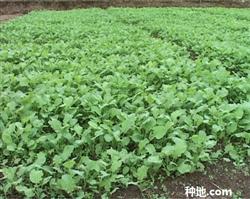
How can weak seedlings be prevented during oilseed rape seedling raising? Please advise.
Because oilseed rape seeds are tiny and have a high germination rate, sowing very easily leads to an excessive seeding rate, overly dense emergence, crowded seedlings, and later deterioration of nutrition, poor growth, weak seedlings with elongated stems, and similar problems. After such rape seedlings are transplanted to the field, they have poor stress resistance, slow green-up, a high rate of seedling death, and are prone to lodging later with low yield. One of the main reasons such weak seedlings appear is that the seeding rate at sowing is too high, producing overly dense seedlings, which causes the seedlings to grow leggy and become weak. When planting oilseed rape, sowing work should be done well to prevent weak seedlings.
I. Seeding rate
For oilseed rape seedling raising, the ratio of seedbed area to field area is generally controlled at about 1:5, meaning the seedbed area needed for each mu of field should be about 0.2 mu (two fen of land). The seeding rate per mu of seedbed is generally controlled at about 0.5 kg, meaning only 0.1 kg (100 grams) of seed needs to be purchased for each mu of field. In actual sowing, the seeding rate can be appropriately adjusted according to specific conditions. For example, if the seeds are small, sowing is early, the germination rate is high, land preparation quality is high, soil moisture is suitable, management is meticulous, and pest damage at the seedling stage is low, a little less can be sown; otherwise, a little more should be sown, but the seeding rate per mu of seedbed generally should not exceed 0.6 kg.
II. Timely thinning of seedlings
To ensure uniform sowing, the seeds should be mixed evenly with sifted fine soil and broadcast. In addition, after the oilseed rape emerges, thinning should be combined with weeding at the 3-leaf stage to ensure the seedlings are evenly distributed and the leaves do not overlap. On this basis, strengthening management is the only way to cultivate strong seedlings and lay a good foundation for high yields of oilseed rape in the future.
Click to get more oilseed rape cultivation techniques
Click to get more grain crop cultivation techniques