Wheat Seedling Stage Pest and Disease Control Methods and Key Technical Points
How to control pests and diseases at the wheat seedling stage? Please advise. Generally, about 15 days after wheat sowing, the seedlings have basically emerged fully. In the time that follows, how to manage and protect the wheat seedlings is extremely critical. The author recommends several methods for controlling pests and diseases at the wheat seedling stage. Wheat rust: 15 to... days after wheat emergence
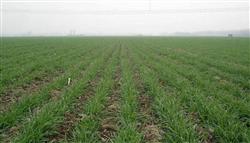
How to control pests and diseases at the wheat seedling stage? Please advise.
Generally, about 15 days after wheat sowing, the wheat seedlings have basically emerged fully. In the time that follows, how to manage and protect the wheat seedlings is extremely critical. The author recommends several methods for controlling pests and diseases at the wheat seedling stage.
Wheat rust: 15 to 20 days after wheat emergence, select wheat fields with conditions favorable for disease development and conduct an investigation. When the rate of diseased leaves reaches 10%, and the autumn temperature is on the high side with relatively abundant rainfall, immediately spray Heguoli or triadimefon for control. That is, use 15 to 20 grams of 12.5% Heguoli wettable powder or 75 grams of 15% triadimefon wettable powder per mu, mixed with 50 kg of water for spraying. When one infected plant is found, protect a whole patch; when one patch is found, protect a whole field.
Wheat sharp eyespot: Wheat sharp eyespot can occur from the wheat seedling stage through the heading stage. Symptoms at the seedling stage mainly appear on the underground parts. After emergence, it damages the underground stems of wheat, producing brown lesions or elliptical lesions, and develops upward. Use 75 grams of 20% triadimefon wettable powder or 40 grams of 20% jinggangmycin per mu, mixed with 50 kg of water, and spray along the rows.
Wheat take-all: The pathogen of wheat take-all can infect wheat at the seedling stage, and 20 to 30 days after emergence is the peak infection period. For plots where wheat take-all has occurred in the past, use 15 to 20 grams of 12.5% Heguoli wettable powder or 120 to 200 milliliters of 20% triadimefon emulsifiable concentrate per mu, mixed with 40 to 50 kg of water, and spray the seedlings along the rows. This can significantly reduce the incidence of disease at the wheat heading stage.
Wheat aphids: In addition to directly causing damage that reduces wheat yield, wheat aphids can also transmit wheat yellow dwarf disease and others. When the rate of aphid-infested plants exceeds 5%, and there are about 10 aphids per 100 plants, chemical control should be carried out. Use 25 milliliters of Yashijing or 20 grams of Dagongchen or 20 grams of imidacloprid per mu, mixed with 40 to 50 kg of water, and spray along the rows. This can also control wheat red spiders at the same time.
Underground pests: The underground pests that damage wheat at the seedling stage mainly include three types: mole crickets, white grubs, and wireworms. According to observations, when mole crickets cause damage, they bite the tender stems of wheat seedlings into a tangled, hemp-like mess with uneven broken ends; when white grubs cause damage, they bite through the root crown of wheat seedlings, with neat broken ends; wireworms bore into and eat the tender heart of the wheat stem, and the damaged part appears tangled like hemp, but the outer skin remains connected. By carefully observing these damage symptoms on wheat seedlings, you can determine which type of underground pest is present in the wheat field. 30 days after wheat emergence, select representative plots for investigation. When the dead seedling rate reaches 3%, immediately apply pesticide for control. Drill-apply trichlorfon poison cakes: use 75 grams of 90% crystalline trichlorfon per mu, first dissolve it in warm water, then add water to 1.5 kg to make a medicinal solution, spray and mix it onto 10 kg of crushed and roasted sesame cakes or rapeseed cakes, and let it sit for 4 to 6 hours to form poison cakes. Use a seed drill to drill-apply the poison bait into the wheat field. This method can achieve a pest-killing and seedling-protecting effect of up to 95%. Broadcast poison soil: use 2 kg of 2% isofenphos-methyl powder per mu mixed with 30 to 40 kg of fine soil, mix well, open furrows, and apply it into the wheat rows. This can effectively control damage from white grubs and wireworms. Spray or irrigate with pesticide solution: for plots with localized damage, use 0.5 kg of 40% isofenphos-methyl or 50% phoxim per mu, mixed with 60 to 75 kg of water, and spray or pour along the rows at the wheat roots. This has a particularly strong effect on white grubs and wireworms.
Locusts and crickets: In recent years, these two types of pests have occurred in large numbers and often damage early-sown wheat seedlings. Use 75 grams of 90% crystalline trichlorfon per mu, first dissolve it in hot water, then add water to 1.5 kg, spray and mix it onto 5 to 7 kg of crushed and roasted wheat bran to make poison bait, and broadcast it along the rows to trap and kill them. The effect is very good.
Click to get more wheat cultivation techniques
Click to get more grain cultivation techniques