Summer sowing of Isatis indigotica (woad) is good; choosing the right sowing time is key
Isatis indigotica root is a bulk medicinal herb with relatively good market demand. It can be sown in spring, autumn, or summer. However, based on our trial demonstrations over the past two years, summer-sown Isatis indigotica is favored by herb growers because of its short growth period, good quality, high yield, no impact on subsequent crops after flowering, and relatively high returns. Average per mu...
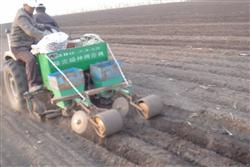
Isatis indigotica root is a bulk medicinal herb with relatively good market demand. It can be sown in spring, autumn, or summer. However, based on our trial demonstrations over the past two years, summer-sown Isatis indigotica is favored by herb growers because of its short growth period, good quality, high yield, no impact on subsequent crops after flowering, and relatively high returns. The average yield per mu is 450 kg of Isatis indigotica root and 120 kg of Daqingye (Isatis leaf), with an income of about 1500 yuan per mu. Its cultivation techniques are briefly introduced below:
1. Land preparation and fertilization: After summer crops such as wheat and potatoes are harvested, promptly plow deeply and prepare the land. For soil preparation, apply 2000 kg of organic fertilizer and 50 kg of superphosphate per mu as base fertilizer. Then level and rake fine to make high beds 1.3 m wide, leaving drainage ditches around the perimeter.
2. Sowing: Summer sowing is generally from late May to early June, and drilling is best. On the prepared bed surface, open shallow furrows at a row spacing of about 20 cm and a furrow depth of 2-3 cm, then sow the seeds evenly into the furrows at about 1.5 kg per mu. After sowing, cover with 2 cm of fine soil and keep the soil moist; seedlings emerge in 6-7 days.
3. Field management: When seedlings are 7-8 cm tall, thin them; when seedlings are 10-12 cm tall, final thinning should be done at a plant spacing of about 12 cm. After final thinning, carry out the first intertillage and weeding, then weed about once every 26 days thereafter to keep the field free of weeds. Stop intertillage and weeding after the rows close. Combined with weeding, apply 1 topdressing of human and livestock manure water at 1500 kg per mu. If drought occurs after summer sowing, water promptly; if there is excessive rain, clear the ditches and drain promptly to prevent waterlogging in the field.
4. Harvesting and processing: In late September, harvest Daqingye (Isatis leaf) in one go, cutting from the stem base 2 cm above the ground. After cutting, sun-dry until 70-80% dry, tie into small bundles, and continue sun-drying until fully dry. In rainy weather, dry them promptly over a heated bed. In mid-to-late October, dig up the underground roots. When digging, try to keep the roots intact and avoid damaging or breaking them. After transporting them back, remove soil and the root crown, wash clean, sun-dry until 70-80% dry, tie into small bundles, and then sun-dry until fully dry. If there is continuous rain, dry them promptly over a heated bed.