What are the management methods for chives in summer? A detailed explanation
What management methods are there for chives in summer? Please provide guidance. For summer chives management, you can refer to the following methods: No cutting: Because in summer, temperature regulation leads to less nutrient accumulation and greater consumption, which affects plant growth, and the leaf tissue fibers increase, the texture becomes coarse, growth weakens, and a dormant summer state appears. At this time, they are generally no longer harvested. Otherwise...
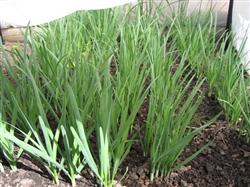
What management methods are there for chives in summer? Please provide guidance
For summer chives management, you can refer to the following methods:
No cutting: Because in summer, temperature regulation leads to less nutrient accumulation and greater consumption, which affects plant growth, and the leaf tissue fibers increase, the texture becomes coarse, growth weakens, and a dormant summer state appears. At this time, they are generally no longer harvested. Otherwise, it will affect autumn growth and yield, and will also affect the lifespan of the chives. Plant cultivation should be strengthened to lay a good foundation for autumn production.
Weeding: Summer's high temperatures and frequent rain are favorable for weed growth, which affects chive growth. After each harvest and land preparation, remove weeds promptly, then spray the ground between rows with 25% nitrofen.
Removing flower stalks: When chives bloom and set seed, they consume a large amount of nutrients, affecting plant growth, tillering, and the accumulation of nutrients, thereby affecting next year's yield. Therefore, except for seed-production fields, the flower stalks should be removed promptly while young and tender to benefit plant cultivation.
Strengthen fertilizer and water management: According to seedling condition, soil moisture, and weather conditions, water once every 7-10 days, and apply human excrement and urea fertilizer 3-4 times with the water. Disease prevention and pest control: Under summer's high temperatures, chives are most prone to Fusarium wilt, especially after heavy rain followed by scorching sun. Near the ground surface, scalded-looking lesions appear, and in severe cases the whole plant dies. Therefore, in summer, pay attention to drainage and waterlogging prevention. After heavy rain, use well water for shallow irrigation to lower soil temperature and remove yellow leaves on the ground so that there is good ventilation between rows and damage is reduced. It can also be controlled by drenching the roots with a 500-fold dilution of 50% carbendazim. Summer chive maggots also occur very seriously. Generally, in early summer, use 90% trichlorfon plus 100-200 grams of soda ash or an 800-fold dilution of 50% phoxim to control chive maggots. In late summer, spray a 3000-fold dilution of fenvalerate on leaf surfaces, manure piles, latrines, and field edges to eliminate pests.
Click to get more chive cultivation techniques
Click to get more vegetable cultivation techniques