Differences Between Sexual Hybrid Breeding of Gastrodia and Traditional Varieties, and Management Methods
Explaining the principles and technical methods of mulching for increased yield: the principle of mulching for increased yield. Gastrodia is a plant that prefers cool, humid conditions. In nature, it is mainly distributed under forest canopies or in shrublands, mostly growing on gentle slopes at 10-30°C. During its growth period, it likes moisture but fears waterlogging; it likes warmth, with the most suitable temperature being 20-2...
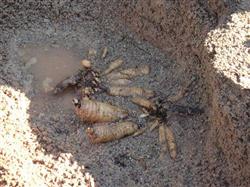 Select local varieties with growth advantages and cross them with introduced superior varieties from other regions; the seeds produced are Gastrodia sexual hybrid seeds. Gastrodia sexual hybrid seeds are very fine, powder-like seeds that must be planted together with germination-promoting fungi; only after they grow to a certain extent can Armillaria fungi be used to provide nutrients for them. Gastrodia sexual hybrid seeds are like corn seeds and clearly exhibit hybrid vigor, solving the problems of seed tuber degeneration and yield decline during long-term asexual planting. Moreover, the seed tubers produced from planting 1 sq m in the current year generally expand the planting area by 5-15 times, and the stable yield period of planting is 3-5 years. From the second year onward, cultivating Gastrodia no longer requires purchasing new seed tubers, so a small investment can achieve large-scale sustainable development. In the process of cultivating Gastrodia seeds, we can select high-quality, high-yield, early-maturing, and disease-resistant Gastrodia varieties, and can also breed new, higher-yielding varieties through artificial pollination and hybridization.
Gastrodia generally requires more than 6 months to grow. Asexual planting can be carried out from late October each year to May of the following year, and harvest can be done from November each year to May of the following year. Of course, because temperatures vary from place to place, the harvest time should be arranged according to local conditions. Under normal circumstances, each sq m can produce about 30 jin of fresh Gastrodia in the current year. Watering is needed only about 10 times per year, and water can be sprayed twice each month in May, June, July, August, and September, twice per month per sq m, using about 20 jin of water in total. Management is very simple and does not require dedicated personnel.