How to control soil pests in sweet potato cultivation without pollution?
How to control soil pests in sweet potatoes without pollution? Please explain the methods. Growing sweet potatoes makes them easily damaged by soil pests, forming tunnels, causing the sweet potatoes to rot, lowering quality, and in severe cases making them unfit to eat, causing reduced yield or total crop loss. The following pollution-free methods can be used to control sweet potato soil pests, with no toxic residue, and...
How to control soil pests in sweet potatoes without pollution? Please explain the methods.
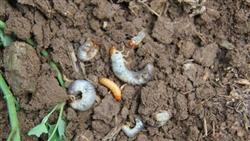
Growing sweet potatoes makes them easily damaged by soil pests, forming tunnels, causing the sweet potatoes to rot, lowering quality, and in severe cases making them unfit to eat, causing reduced yield or total crop loss. The following pollution-free methods can be used to control sweet potato soil pests, with no toxic residue, no contamination of the sweet potatoes, and no harm to human health.
During the period of rapid sweet potato expansion, apply a clarified soak solution of 25-30 times superphosphate mixed with dry, clean plant ash, or a 10-15 times clarified soak of tea seed cake, or a 15-20 times clarified soak of tobacco leaves, by drenching the roots once every 10-15 days, for 2-3 consecutive applications, with about 5-6 kg per sq m of soil each time. Applying when the soil is slightly moist after rain, or in the morning or evening, can kill the soil pests harming the sweet potatoes and protect them. If a 80-100 times magnesium sulfate water solution can be added and applied together, the effect is even better: it can improve the control effect, strengthen the sweet potato's insect resistance, promote rapid expansion of the sweet potatoes, increase starch accumulation, significantly raise yield, improve quality, and extend storability.
Click to get more sweet potato growing techniques
Click to get more vegetable growing techniques