What pests and diseases occur in the early stage of summer sesame planting?
What pests and diseases occur in the early stage of summer sesame planting? Please give guidance. For diseases at the seedling stage of summer sesame, the focus is on prevention. Before rain or after farming operations, spray 70% mancozeb 800x solution or 50% carbendazim 800x solution to protect the leaves and prevent sesame stem spot blight, Fusarium wilt, Phytophthora blight, etc. Aphids and plant bugs mainly...
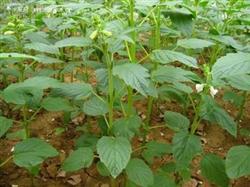
What pests and diseases occur in the early stage of summer sesame planting? Please give guidance.
For diseases at the seedling stage of summer sesame, the focus is on prevention. Before rain or after farming operations, spray 70% mancozeb 800x solution or 50% carbendazim 800x solution to protect the leaves and prevent sesame stem spot blight, Fusarium wilt, Phytophthora blight, etc.
Aphids and plant bugs (mirid bugs) gather as adults and nymphs to damage sesame, sucking the sap from tender leaves, tender tips and flower clusters. The adults are active, mainly feeding and piercing-sucking on the backs of young leaves and on the tender stems and leaves. After the leaves are damaged, yellow spots first appear at the base of the midvein, and as they gradually expand, the leaves become wrinkled and deformed, and in severe cases dry up and fall off. After buds and flowers are damaged, they easily discolor and drop off. Sometimes they also bite off the stem growing point, affecting the normal growth of sesame; in severe cases, the damaged plants are left with only bare stems and a few deformed capsules in the later stage, causing a large reduction in yield. They overwinter as eggs on weeds, generally begin to occur in late June, and the peak damage period is July-August. That is, the damage is most severe around the budding stage and flowering stage of sesame. They can occur in 1-4 generations per year, with overlapping generations, and can transmit viruses and various other diseases.
Control methods for aphids and plant bugs: (1) Clear weeds in autumn and winter to eliminate overwintering sources of the insects. (2) Chemical control: when they occur in the field, spray 40% omethoate 1000-1500x solution, 4.5% beta-cypermethrin 2000x solution, or 10% imidacloprid 2000x solution, all of which can achieve good results.
Click to get more sesame planting techniques
Click to get more food crop planting techniques