Why does late blight occur in autumn tomatoes? Tomato cultivation techniques explained
Why does late blight occur in autumn tomatoes? Please introduce the causes of the disease and control methods. Autumn tomato late blight is a low-temperature, high-humidity disease. Infection can occur successfully when relative air humidity is above 80%. The optimum humidity for pathogen development is 20-22°C during the day and above 10°C at night. Low temperatures, overcast and rainy weather, and high humidity, with heavy fog in the morning and at night...
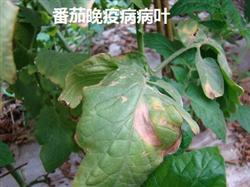 Why does late blight occur in autumn tomatoes? Please introduce the causes of the disease and control methods
Autumn tomato late blight is a low-temperature, high-humidity disease. Infection can occur successfully when relative air humidity is above 80%. The optimum humidity for pathogen development is 20-22°C during the day and above 10°C at night. It is prone to occur under low temperatures, overcast and rainy weather, high humidity, and heavy fog in the morning and at night. On continuous cropping land, with excessive nitrogen fertilizer or excessive density, insufficient light, and poor ventilation, the disease is easily triggered. Other possible causes of the disease include:
1. Difficulty in crop rotation:As the planting area expands, crop rotation becomes difficult. Continuous cropping causes pathogens in the soil to accumulate year by year, worsening the damage.
2. Improper handling of diseased plants in the field:Some growers pile up plant residues at the edge of the field without deep burying or burning them, and diseased leaves and fruits can be seen everywhere in the field.
3. Climatic factors:Generally, there is more continuous overcast and rainy weather in autumn, with relatively low temperatures and high field humidity, creating favorable conditions for the spread of late blight.
4. Weak awareness of disease prevention:Some growers do not adhere to the control principle of "prevention first, prevention more important than treatment." After the disease occurs, the number of pesticide applications is insufficient, and no supplementary spraying is done after rain, all of which lead to poor control results.
Control methods for autumn tomato late blight:Attention should be paid to ventilation, temperature regulation and humidity control to avoid leaf surface condensation or the formation of a water film; avoid watering before overcast and rainy days, and appropriately control watering after the disease occurs; when diseased plants are found, use 72% cymoxanil·mancozeb wettable powder, 68% metalaxyl-M·mancozeb water-dispersible granules, 52.5% famoxadone·cymoxanil water-dispersible granules, 25% azoxystrobin suspension concentrate, Pythium oligandrum wettable powder (do not use together with chemical pesticides; spray in the morning or evening, and not under strong sunlight or before rain), and other agents for spraying. Use normal-temperature fogging application for control as much as possible.
Click to get more tomato cultivation techniques
Click to get more vegetable cultivation techniques