What causes dry leaf tips in garlic chives? Detailed explanation of prevention and control methods
Why do garlic chives develop "dry tips"? How to prevent and control it? Please explain and guide the prevention and control methods. Dry tips are a common physiological disease of garlic chives. The main causes of dry tips in garlic chives are as follows: (1) Harm from harmful gases. Applying ammonium bicarbonate or undecomposed organic fertilizer releases large amounts of harmful gases. If ventilation is not carried out in time...
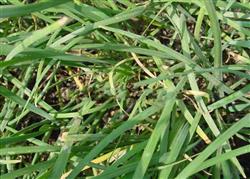 Why do garlic chives develop "dry tips"? How to prevent and control it? Please explain and guide the prevention and control methods
Dry tips are a common physiological disease of garlic chives. The main causes of dry tips in garlic chives are as follows:
(1) Harm from harmful gases. Applying ammonium bicarbonate or undecomposed organic fertilizer releases large amounts of harmful gases. If ventilation is not carried out in time, the "dry tip" phenomenon in garlic chives is likely to occur.
(2) Harm from high temperatures. When garlic chives are grown in protected cultivation for a long time in a high-temperature environment above 30°C without timely cooling and regulation, combined with dry air, the leaf tips are prone to drying and turning yellow.
(3) Excessive fertilizer application and soil acidification. For example, applying large amounts of acidic fertilizer will make the soil too acidic and cause dry tips in garlic chives.
(4) Improper ventilation. Improper ventilation causes "seedling shock."
(5) Soil drought. Excessive soil drought can also lead to the occurrence of "dry tips."
(6) Improper pesticide use. Using pesticide at too high a concentration during the early-winter sprouting period can easily cause the leaf tips of garlic chives to dry up.
For preventing and controlling dry tips in garlic chives, you can refer to the following methods:
(1) Apply ammonia-containing fertilizers as little as possible. Organic fertilizer should be fully decomposed before application. If applied, ventilate in time to release harmful gases and prevent gas damage.
(2) Avoid excessive application of acidic fertilizers to prevent soil acidification; for soil that is too acidic, lime can be spread to regulate it.
(3) Cool down in time, water at the proper time, and supplement nitrogen fertilizer to enhance the heat tolerance of garlic chives.
(4) Control the amount of pesticide used, use manganese-containing pesticides as little as possible, and preferably avoid the sprouting period of garlic chives when applying chemicals to prevent the chive sprouts from being damaged by the pesticide.
Click to get more garlic chive cultivation techniques
Click to get more vegetable cultivation techniques