How to Grow Mint for High Yield? Detailed Growing Techniques
How to grow mint for high yield? A detailed introduction is given below. To grow mint, you can refer to the following methods: 1. Raising seedlings. (1) Rhizome propagation. Cultivate seed roots in late April or late August. In the field, select vigorous plants free of pests and diseases as mother plants, and plant them at a spacing of 20 x 10 cm. In early winter...
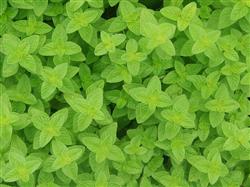
How to grow mint for high yield? A detailed introduction is given below.
To grow mint, you can refer to the following methods:
I. Raising Seedlings
1. Rhizome propagation. Cultivate seed roots in late April or late August. In the field, select vigorous plants free of pests and diseases as mother plants, and plant them at a spacing of 20 x 10 cm. After harvesting the aboveground stems and leaves in early winter, leave the rhizomes in place as seed plants.
2. Division propagation. When mint seedlings are about 15 cm tall, thin and fill in the seedlings. Use the thinned seedlings for division and transplanting.
3. Cutting propagation. In May and June, cut the aboveground stems and branches into 10 cm long cuttings, and insert them in a prepared seedbed at a row spacing of 7 x 3 cm for rooting and sprouting, then transplant them to the field for cultivation.
II. Transplanting
1. Transplant mint in early spring of the second year before it has sprouted. Early planting leads to early sprouting, a longer growing period and higher yield. When planting, dig up the rhizomes, select thick, short-jointed, disease-free rhizomes as seed roots, cut them into 7-10 cm long sections, then open furrows 10 cm deep on the prepared bed surface at a row spacing of 25 cm. Place the seed roots obliquely in the furrows at a plant spacing of 10 cm, cover with fine soil, press firm and water.
2. Pinching and topping. In May, when the plants are growing vigorously, promptly remove the terminal buds to promote the growth of side branches, stems and leaves, which helps increase yield.
III. Management During the First Cutting Period (from emergence to the first harvest)
1. Check seedlings and fill in gaps. After the field has basically full stands, check the seedlings promptly and replant missing or sparse spots and patches.
2. Cultivation and weeding. After full emergence, cultivate and weed between rows and weed by hand between plants to preserve soil moisture, raise (soil) temperature, eliminate weeds and promote seedling growth. Cultivate and weed 2-3 times before the rows close. Before harvesting, pull out all weeds in the field to prevent the odor of other weeds from affecting the quality of mint oil.
3. Timely topdressing. When the seedlings are 10-15 cm tall, open furrows and apply fertilizer, applying 10 kg of urea per mu. After the rows close, spray twice per mu with 5 ml of Panshibao + 150 g of potassium dihydrogen phosphate + 150 g of urea.
4. Scientific watering. Mint needs more water in the early and middle stages, especially in the early growth stage when the root system has not yet formed. Generally water about once every 15 days, and water 4-5 times from emergence to harvest. After the rows close, water lightly and moderately to avoid excessive growth of stems and leaves, lodging, and shedding of lower leaves, which reduces yield. Stop watering 20-25 days before harvest. At harvest time, the soil surface should preferably look "pale".
5. Disease control. The main disease of mint is black shank, which occurs at the seedling stage. Symptoms are shrinkage and sunken lesions at the base of the stem, blackening, rotting, lodging and wilting of the plant. For control, during the disease period, apply 100-150 g per mu of 70% chlorothalonil or 40% carbendazim, diluted with water and sprayed.
Mint rust is prone to occur from May to July. Spray leaves with a 1000-1500 times dilution of 25% triadimefon.
Leaf spot disease occurs from May to October. In the early stage of the disease, spray a 500 times dilution of 65% zineb once a week to bring it under control.
6. Pest control. The main pest of mint is the "bridge-building worm" (looper), with damage periods around mid-June and late August. When the pest density generally reaches 10 larvae per sq m, use 15-20 ml of Decis per mu and spray 1-2 times, or spray with an 80% dichlorvos 1000 times dilution.
7. Timely harvesting. In early July, when 10-30% of the flower buds on the main stems of mint are in full bloom, begin harvesting. At harvest, cut the upper stems and leaves evenly at ground level. Immediately spread the cut mint out to dry; do not pile it up, to avoid fermentation. Harvesting mint too early reduces the oil yield; harvesting too late increases the furan content in the mint and affects oil quality. Tie the wilted mint into bundles promptly for later distillation and oil extraction.
IV. Management During the Second Cutting Period (from after the first harvest to before the second harvest)
1. The growth period of mint in the second cutting period is relatively short. After the first harvest, promptly and quickly sweep up fallen leaves for distillation and oil extraction. Remove residual stubble, weeds and stolons from the ground as soon as possible (generally hoeing 2-3 cm deep) to encourage young shoots to emerge from the rhizomes.
2. After hoeing away the stubble, water immediately to encourage early and rapid growth of the second-cutting seedlings, extend the growth time and increase yield. During the second cutting period, water 3-4 times. When the seedlings are 10-15 cm tall, broadcast (in furrows) 10 kg of urea per mu, apply foliar topdressing 1-2 times, and pull large weeds 1-2 times before harvest so that there are no weeds in the field before harvesting.
V. Harvest
1. The harvest time is from mid-September to mid-October.
2. When dried to 70-80% dryness, tie into small bundles, then dry until completely dry. The best quality is dry, full-leafed material with dark green leaves, purple-brown or light green stems, and a rich aroma.
Click to get more mint growing techniques
Click to get more medicinal herb growing techniques