What are the planting techniques for increasing the yield of dry-cultivated Pinellia ternata?
What methods can increase the yield when growing dry-cultivated Pinellia ternata? Experienced netizens, please help introduce some methods. If you want to achieve increased yield in growing dry-cultivated Pinellia ternata, you can refer to the following methods for management: Method 1: Pre-sowing sprouting of Pinellia ternata seedlings: Film mulching during the seedling stage. Dry-cultivated Pinellia ternata is generally sown in spring from February to April. Because the temperature at this time is relatively low, the seed...
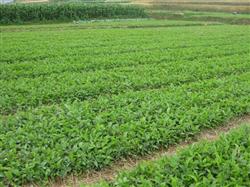 What methods can increase the yield when growing dry-cultivated Pinellia ternata? Experienced netizens, please help introduce some methods.
If you want to achieve increased yield in growing dry-cultivated Pinellia ternata, you can refer to the following methods for management:
Method 1: Pre-sowing sprouting of Pinellia ternata seedlings:
Film mulching during the seedling stage. Dry-cultivated Pinellia ternata is generally sown in spring from February to April. Because the temperature at this time is relatively low, the seed stems sprout slowly, so the seed stems should be sprouted before sowing. Sprout them indoors in a hotbed, keeping the sprouting temperature at about 20°C; they will sprout in 15 days. They can also be sprouted outdoors in a plastic shed at 20-25°C for 15 consecutive days; once the bud sheaths turn white, it is ready. After sowing, cover with plastic film. The plastic film only needs to cover the rows where the seed stems are planted, and it should be removed after the seedlings emerge evenly.
Method 2: Timely irrigation and drainage in the field:
Timely topdressing. Dry-cultivated Pinellia ternata likes moisture, is tolerant of fertilizer, and fears waterlogging. Before planting, the growing site should be watered thoroughly once to help emergence. During the seedling growth period, the soil should be kept moist. In case of drought, water promptly; in the rainy season, drain promptly to avoid seedling death caused by waterlogging in the field.
Fertilizer should mainly be farmyard manure. In addition to applying sufficient base fertilizer, topdressing should also be done 2 times during the growth period.
The first time is from late May to early June, when bulblets grow on the inner side of the lower part of the petiole. Apply 2000 kg of decomposed human and livestock manure and 25 kg of decomposed cake fertilizer per mu between the rows;
The second time is in August after the plants fall over, when the daughter Pinellia ternata exposes new buds and the mother Pinellia ternata sheds its shell and grows new roots again. Mix 20 kg of decomposed cake fertilizer, 15 kg of superphosphate, and 10 kg of urea evenly per mu and apply it under the plant hills, and combine the fertilization with earthing up around the hills.
Method 3: Selection of the planting site for Pinellia ternata:
Dry-cultivated Pinellia ternata is a shade-tolerant crop and grows well and has high yield in shaded environments. Therefore, the planting site should be a gentle slope with half shade and half sun, or it should be intercropped (relay intercropped) with young fruit trees, corn, wheat, and other crops.
Method 4: Remove Pinellia ternata flower buds at the right time:
About 2 months after sowing, dry-cultivated Pinellia ternata plants will successively bolt and bloom, which easily consumes nutrients. Therefore, except for those kept for seed, the flower buds should be removed in batches in a timely manner so that nutrients are concentrated in the underground tubers, accelerating tuber growth and helping increase yield.
Method 5: Delay the plants falling over
Dry-cultivated Pinellia ternata will naturally fall over when exposed to high temperature and strong light, and stop growing. Therefore, delaying the plants from falling over is an important measure for high yield of dry-cultivated Pinellia ternata.
According to production experience, in cultivation, in addition to taking appropriate shading and sprinkler irrigation measures to reduce light intensity and air temperature, a 0.01% sodium sulfite solution can also be sprayed in an appropriate amount to inhibit plant respiration, thereby shortening the period of falling over or reducing the number of times the plants fall over, achieving the goal of increasing yield.
Click to get more Pinellia ternata planting techniques
Click to get more medicinal herb planting techniques