Rehmannia Planting Techniques and Field Management Methods
How to manage rehmannia well? What methods are there? Please give a detailed introduction. Rehmannia planting can be managed by referring to the following methods: 1. Selection of the rehmannia planting site: For rehmannia, choose sandy loam soil with deep, fertile soil layers and good drainage. Rehmannia should not be grown continuously on the same land; in the winter of the previous year or in early spring, plow the soil deeply to more than 25 cm...
 How to manage rehmannia well? What methods are there? Please give a detailed introduction to the methods
Rehmannia planting can be managed by referring to the following methods:
1. Selection of the rehmannia planting site:
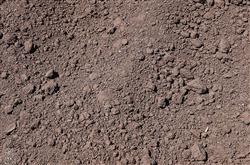
For rehmannia, choose sandy loam soil with deep, fertile soil layers and good drainage. Rehmannia should not be grown continuously on the same land; in the winter of the previous year or in early spring, plow the soil deeply to more than 25 cm, apply base fertilizer, water thoroughly, and spray New High Lipid Film, which can preserve soil moisture and prevent water evaporation, protect against sun and drought, keep warm and prevent freezing, prevent soil compaction, and suffocate and isolate sources of disease and insects.
2. Selection of rehmannia seedlings:Generally, rehmannia cultivation uses rhizomes as propagation material. When selecting seed, try to use "inverted planting" seed tubers, then cut them into small sections 3-6 cm long, with two to three bud eyes left on each section. Dip the cut ends in plant ash, let them dry slightly, and then plant them. At the same time, the "old mother tuber," that is, the seed tubers planted in the first ten days of the month, should be removed from the "seed tubers." Spraying New High Lipid Film on the plant surface can prevent infection by pathogens, resistance to natural disasters, increase the intensity of photosynthesis, and protect the seedlings so they grow strong.
3. Daily field management of rehmannia
Thinning and replanting rehmannia: When the seedlings are 10-12 cm tall, begin thinning, leaving 1 strong seedling per hole. If there are missing plants, replant them promptly on a cloudy day, and when replanting, lift the seedlings with soil, so the survival rate is higher.
Weeding in the rehmannia field: The rhizomes of rehmannia enter the soil relatively shallowly, so intertillage should be shallow to avoid damaging the roots. Weeds around the seedlings should be pulled out by hand, and after the plants close the rows, stop intertillage. Topdressing: Rehmannia likes fertilizer. In addition to applying enough base fertilizer, apply fertilizer reasonably per mu after thinning. Rehmannia needs a large amount of water in the early stage, so it should be watered frequently; in the later stage, which is the period of underground rhizome enlargement, water sparingly.
4. Preventing pests and diseases:
The main diseases of rehmannia are spot blight, ring rot, and fusarium wilt. These diseases generally begin to occur in early May and become severe in June-July, so timely prevention and control should be noted. Pests include red spiders, cutworms, white grubs, and others. These should be controlled by conventional methods, avoiding the use of highly toxic pesticides.
Click to get more rehmannia planting techniques
Click to get more medicinal herb planting techniques