How do you manage the growing period when cultivating Rehmannia (Chinese foxglove)?
How do you manage the growing period of Rehmannia? Please give a detailed description of the methods. For managing the growing period of Rehmannia, you can refer to the following methods: 1. Weeding in the Rehmannia field: After Rehmannia enters the growing period, its root system develops rapidly, so cultivation should be strengthened to promote deep rooting, keep the soil loose, control excessive vegetative growth of the plants, and prevent weeds from growing densely...
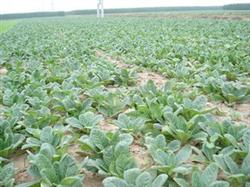 How do you manage the growing period of Rehmannia? Please give a detailed description of the methods.
For managing the growing period of Rehmannia, you can refer to the following methods:
1. Weeding in the Rehmannia field:
After Rehmannia enters the growing period, its root system develops rapidly, so cultivation should be strengthened to promote deep rooting, keep the soil loose, control excessive vegetative growth of the plants, and prevent weeds from growing densely. Aim for higher yield and quality.
During the growing period, Rehmannia is generally cultivated 4-5 times, and the depth of cultivation should be gradually increased. However, be careful not to cultivate too deeply at one time, especially when there is drought and poor soil moisture; cultivating too deeply at one time will turn up large clods, damage too many Rehmannia roots, let air in and cause moisture loss, and be unfavorable to the growth of Rehmannia. After the Rehmannia stems and leaves close over the rows, only pull the weeds in the field and no longer carry out cultivation.
2. Flower bud removal in Rehmannia:
In order to reduce the nutrients consumed by flowering and fruiting and promote rhizome growth, when Rehmannia sends up flower buds, the buds should be removed together with weeding, and the branches should also be removed. One seedling per plant is recommended; remove the extra shoot tips, which not only avoids nutrient consumption but also keeps the plants from becoming too crowded, favoring healthy plant growth. In August, when the lower leaves turn yellow, remove the yellow leaves promptly to keep the field clean.
3. Fertilization and irrigation of Rehmannia:
During the growing period of Rehmannia, topdressing should be carried out as early as possible. In the early growth stage, to make the plants strong, nitrogen fertilizer should be the main topdressing; in the late growth stage, to promote rhizome growth and improve medicinal quality, phosphorus and potassium fertilizers should be the main addition. When the plants have grown 10 leaves and reached 6-10 cm in height, apply 75-100 kg of bean cake or 10-15 kg of ammonium sulfate per mu. Broadcast it along the side of the plants.
Note: Fertilizer must not stick to the leaves, so as to avoid burning the seedlings and harming the plants. After each fertilization, water promptly to facilitate full absorption of nutrients. In hot and rainy seasons, the tuberous roots are prone to rot and root rot disease, causing reduced yield or even total crop failure, so drainage and fertilization should be carried out promptly, generally applying 15 kg of urea per mu.
4. Promptly remove the creeping surface roots:
In addition to the main root, Rehmannia can also grow slender underground stems along the soil surface, commonly known as creeping surface roots. These creeping surface roots consume a relatively large amount of nutrients and should be removed promptly.
Click to get more Rehmannia cultivation techniques
Click to get more medicinal herb cultivation techniques