How to prevent and control anthracnose in cowpeas? Detailed explanation of prevention and control methods
What harm does cowpea anthracnose cause? How to prevent and control cowpea anthracnose? We ask knowledgeable netizens to help explain. Zhongdi Network has compiled the harm and prevention and control methods of cowpea anthracnose, listed in detail below for netizens' reference. The harm of cowpea anthracnose: cowpea anthracnose is a fungal disease, and under conditions of heavy dew,...
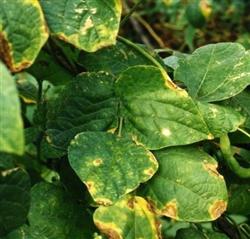 What harm does cowpea anthracnose cause? How to prevent and control cowpea anthracnose? We ask knowledgeable netizens to help explain
Zhongdi Network has compiled the harm and prevention and control methods of cowpea anthracnose, listed in detail below for netizens' reference.
The harm of cowpea anthracnose:
Cowpea anthracnose is a fungal disease, and it is prone to occur under conditions of heavy dew and high humidity. In the early stage of the disease, spindle-shaped or elongated lesions appear on the stems, initially purplish red and sunken. In severe cases, it harms the pods, forming reddish-brown lesions. Once the lesions encircle the stem completely, the plant will die.
Prevention and control methods for cowpea anthracnose:
Method 1. Practice crop rotation on cowpea cultivation land:
Establish a rotation system with non-cucurbit crops. Before sowing, seeds can be soaked in warm water at 55-60°C for 15-20 minutes for sterilization. Before planting, the soil and trellis poles should be disinfected by spraying with an 800-1000 times dilution of potassium permanganate solution.
Method 2.Strengthen field management, improve plant disease resistance, strengthen management, apply more organic fertilizer, and appropriately apply more phosphorus and potassium fertilizer. During the growing period, spray Cuihuawang No. 3 at the appropriate time to inhibit excessive growth of the main shoot and promote flower bud differentiation; at the same time, spray Caiguo Zhuangdiling before cowpea flowering, during the pod-setting stage and the fruit-swelling stage to enhance pollen pollination quality, promote fruit development, improve cowpea quality, and achieve high-yield, high-quality cowpeas.
Method 3.When diseased plants are found, they should be pulled out promptly and taken out of the field to be burned in a centralized manner. At the same time, according to plant protection requirements, targeted pesticides should be sprayed for prevention and control, using a 1000 times dilution of 50% prochloraz (Shibaogong), or a 3000 times dilution of 43% tebuconazole (Haolike) sprayed on the stems.
Click to get more cowpea cultivation techniques
Click to get more vegetable cultivation techniques