What are the key points for growing Chinese chives in summer?
What should be noted when growing Chinese chives in summer? Seeking advice on growing Chinese chives in summer: with high temperatures and frequent rain, summer management of Chinese chives should focus on weed control, drainage of waterlogged areas, strengthened fertilizer and water management and pest and disease control, and reducing the number of harvests to promote vigorous growth of the chives. No cutting: high summer temperatures cause Chinese chives to accumulate less nutrients and consume more, ...
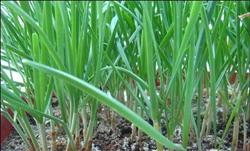 What should be noted when growing Chinese chives in summer? Seeking advice
Growing Chinese chives in summer:
With high temperatures and frequent rain, summer management of Chinese chives should focus on weed control, drainage of waterlogged areas, strengthened fertilizer and water management and pest and disease control, and reducing the number of harvests to promote vigorous growth of the chives.
No cutting: high summer temperatures cause Chinese chives to accumulate less nutrients and consume more, affecting plant growth, and the leaf tissue fibers increase, making the texture coarse and growth weaker. From late June to early August, harvesting should stop to favor root development.
In August to September, they can be harvested 1 to 2 times, and harvesting should stop after late September. For the last harvest, the stubble should be left slightly higher. Especially for Chinese chives planted the year before last, stop harvesting during the high summer temperatures, and sprinkle water with a watering can once each morning and evening to keep the soil surface moist, but do not pour water over them.
Due to favorable factors such as no cutting, sufficient fertilizer and water, and vigorous growth, Chinese chives often lodge in summer. After lodging, they rot easily and can trigger blight, causing death. Measures to prevent lodging are: do not apply excessive nitrogen fertilizer; do not overwater; prevent waterlogging frequently during heavy rain; if the Chinese chive leaves are too long and lodging may occur, they should be cut shorter.
Weeding: high temperatures in summer and frequent rain in autumn cause weeds to grow, affecting the growth of Chinese chives, so they should be pulled out promptly.
Removing flower stalks: because flowering and seed setting in Chinese chives consume a large amount of nutrients, affecting plant growth, tillering and the accumulation of nutrients, thereby affecting the yield of the following year. Therefore, except for seed-production fields, the tender chive stalks should also be removed promptly to cultivate high-yielding plants.
Controlling Fusarium wilt:In summer and autumn, with high temperatures, or after rain followed by scorching sun, Fusarium wilt is likely to occur. The symptoms are water-scalded lesions near the ground, and in severe cases the whole plant dies. In management, attention should be paid to drainage and waterlogging prevention, and removing yellow leaves to keep good ventilation between rows and reduce disease damage. You can also drench the roots with a 500-fold dilution of 50% carbendazim to prevent disease.
Controlling chive maggots:In summer, chive maggots occur rather seriously. You can use a 800-fold dilution of 50% phoxim combined with watering and slowly let it flow into the water furrow. You can also broadcast phoxim granules when applying fertilizer and preparing the soil after cutting the Chinese chives, or during the peak occurrence of chive maggot larvae, use 0.75 to 1 kg of 20% "chive maggot net" per mu mixed with 1000 kg of water for root irrigation.
Click to get more Chinese chive growing techniques
Click to get more vegetable growing techniques