How to fertilize mung beans scientifically? Master the key technical points to boost high yields
Select excellent varieties. Through trial demonstrations, mung bean varieties of the vc series such as vc3902a, vc6075a, and vc3890b should be selected. These new varieties have high value due to characteristics such as high protein, medium starch, and low fat, and have advantages including early maturity, high yield, good quality, pods held upright and concentrated, strong disease resistance and stress resistance, and large grains...
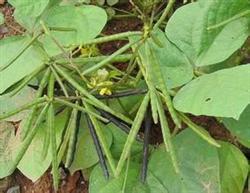 Mung beans have a short growth period and strong tolerance to poor soil, and their root system also has symbiotic nitrogen-fixing ability, so fertilization is often omitted in production. However, to increase mung bean yields on medium- and low-yield plots, more fertilizer should be applied. Generally, about 10 kg per mu of seed fertilizer diammonium phosphate or nitrogen, phosphorus, and potassium compound fertilizer is applied. On poor-fertility, thin hill and slope land where no base fertilizer or seed fertilizer is applied, after the first compound leaf of the mung bean unfolds, combined with intertillage, 3 kg per mu of urea, or 8 to 10 kg of compound fertilizer, can be topdressed. This has an obvious yield-increasing effect. On plots with higher fertility, the seedling stage should focus on control, and no further topdressing should be applied. Too much nitrogen fertilizer will lead to excessive vegetative growth, unchecked stem and leaf growth, shading in the field, plant lodging, severe flower and pod drop, and reduced mung bean yield.