Detailed Guide to Integrated Cultivation Techniques for High-Efficiency, High-Yield Ginger
1. Site selection: choose sandy loam soil where ginger has not been grown in the past two years, with a thick soil layer, close to a water source, and good drainage. 2. Ginger seed selection and treatment: choose ginger seeds from Xiba in Leshan, Xiaogu in Qianwei, and Xinmin white ginger. Select ginger rhizomes with smooth skin, normal bud color, thick, plump and round rhizomes, and free from pests and diseases. After "Yushui" (Rain Water), choose a sunny...
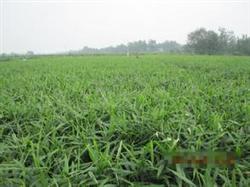
1. Site selection
Choose sandy loam soil where ginger has not been grown in the past two years, with a thick soil layer, close to a water source, and good drainage.
2. Ginger seed selection and treatment
Choose ginger seeds from Xiba in Leshan, Xiaogu in Qianwei, and Xinmin white ginger. Select ginger rhizomes with smooth skin, normal bud color, thick, plump and round rhizomes, and free from pests and diseases. After "Yushui" (Rain Water), choose a sunny day, spread the ginger seeds out to sun-dry for 2-3 days, and soak the seeds in plant ash for 20 minutes.
3. Bud forcing
Around "Chunfen" (Spring Equinox), on a sun-facing, wind-sheltered flat ground, spread 3-4 cm of rice straw on the bottom, then spread 10-13 cm of green grass, then spread 3-4 cm of stone flower. Stack the selected ginger seeds with the buds facing upward in layers, 35-50 cm thick, then cover with 15-22 cm of stone flower, green grass, and rice straw. Press down tightly around the edges, water thoroughly, and cover tightly with film to force buds. When the temperature inside the pile is above 40°C, uncover the film and water to cool it down.
Select ginger blocks with buds shaped like peaches, round, plump and thick, and set them aside for use. The standard bud length is 2 cm. Cut one ginger block for every 1-2 ginger buds, and dip the cut surface in plant ash. Ginger blocks that have not sprouted or have short buds should be put back into the pile to continue bud forcing.
4. Making beds and building ridges
Around "Lichun" (Start of Spring), splash human and livestock manure with a concentration greater than 50%, at 150 loads per mu. Before planting, plow deeply, break the soil up finely, level it, and dig deep drainage ditches around the perimeter.
Make the prepared ginger field into high beds and build ginger ridges. The ridge length is 3.4-4 m, ridge height 25-34 cm, ridge base width 26-30 cm, and ginger ditch width 10-13 cm. Including ditch and ridge, 40 cm. After building, cover with film.
5. Transplanting
One week before planting, apply 5000 kg of human and livestock manure per mu as base fertilizer into the ditch, let it dry and mix evenly. Choose a sunny day, place the ginger blocks flat in the ditch at a plant spacing of 7-13 cm, with ginger buds facing upward, cover with ash residue or plant ash fertilizer (2500 kg per mu), then cover with 7 cm of fine soil, then pour diluted manure water, and finally cover tightly with film.
6. Field management
1. Fertilization and earthing up
When the seedlings are 13-16 cm tall, begin fertilization and earthing up. After that, carry out once every 15-20 days, for a total of 3-4 times. The fertilizer concentration gradually increases from 30% to about 80%. Each fertilization should also add a small amount of potassium chloride, and 0.2-0.5% potassium dihydrogen phosphate can also be used for foliar topdressing. Earth up 3-7 cm each time. After the ginger ridges are filled level, loosen the ginger ridges, and later earthing up turns the ginger ridges into ginger ditches. When the ginger seedlings have not yet grown past the ginger ridges, the film should continue to be kept covered.
2. Drainage, irrigation, and shading
During frequent cloudy and rainy periods, drainage ditches must be kept unobstructed. During high-temperature drought, frequently apply light fertilizer water (10% concentration) in the morning and evening to resist drought, and also set up frames and use shade nets for shading: cover early and uncover late, cover on sunny days and uncover on cloudy days.
3. Pest and disease control
(1) Ginger blast: this disease often attacks leaves and rhizomes, causing rhizome rot. The onset period is June to August. When diseased plants are found, pull them out as soon as possible, sprinkle lime into the planting holes, and use Jiangwenling as a chemical control by pouring it into the holes.
(2) Ginger stem borer and cutworms: apply crystal Bacillus thuringiensis, bromo-cypermethrin, and phoxim.