Scientific ginger management: master these planting key points
Inserting a fence for shade: ginger likes warmth but is not tolerant of strong light and heat. Therefore, after planting, insert corn stalks 70-80 cm tall at 12-15 cm south of the ginger trench, weave them into a flower fence, and tilt it slightly northward by 10-12 degrees so that the surface of the ginger trench shows a dappled shade pattern, which benefits the growth of ginger seedlings. Fertilizing in stages: ginger has a very strong ability to absorb nutrients, and throughout the entire growth period...
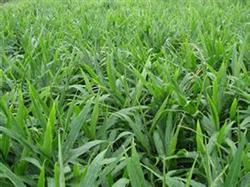
Inserting a fence for shade: ginger likes warmth but is not tolerant of strong light and heat. Therefore, after planting, insert corn stalks 70-80 cm tall at 12-15 cm south of the ginger trench, weave them into a flower fence, and tilt it slightly northward by 10-12 degrees so that the surface of the ginger trench shows a dappled shade pattern, which benefits the growth of ginger seedlings.
Fertilizing in stages: ginger has a very strong ability to absorb nutrients, and topdressing should be done 3 times throughout the entire growth period. When the ginger seedlings are 3-5 cm tall, apply fertilizer once, applying 15-20 kg of compound fertilizer per mu to promote vigorous growth of the ginger seedlings; when the ginger seedlings grow 3 branches, carry out topdressing together with weeding, applying 15-20 kg of soybean cake fertilizer and 15-20 kg of ammonium sulfate per mu to promote rapid expansion of the ginger rhizomes; when the ginger seedlings have 5-6 branches, the growth rate of the ginger rhizomes accelerates, and this period requires more fertilizer, so apply 25 kg of ammonium sulfate per mu. The fertilizer can be applied in a furrow opened 15 cm on the north side of the ginger seedlings.
Watering at the right time: after sowing and before emergence, the soil should be kept dry for ginger to raise the ground temperature and promote emergence. From after emergence to before harvest, the soil should not be too dry, so as not to affect yield. Watering is generally carried out after the seedlings have emerged completely. From the Start of Autumn to the Autumn Equinox is the season when ginger grows fastest, so water frequently in small amounts to keep the ground moist; water should be given after each fertilization and hilling. Watering should be done when the weather is cool, the ground is cool, and the water is cool, generally better in the evening or early morning, and in terms of amount, it is best to water deeply, thoroughly, and without water accumulation. In the rainy summer season, excess accumulated water in the ginger field should be drained promptly.
Cultivating and covering with grass: ginger seedlings grow relatively slowly, while in hot and rainy seasons weeds grow vigorously, easily causing weed infestation, competing with ginger seedlings for fertilizer and water, and affecting the normal growth of the ginger rhizomes. Therefore, cultivating and weeding are very important, generally cultivating 1-2 times per month. Because ginger's root system is shallowly distributed and its branching ability is weak, cultivation should be shallow rather than deep. Cultivation should be combined with watering, fertilizing, and hilling. Hilling can lower the ground temperature and is beneficial to the formation of ginger rhizomes. Generally, hill in stages, hilling 3-6 cm thick each time, to prevent the ginger rhizomes from being exposed and reducing quality. The method of spreading grass on the ground can also be used to lower the ground temperature and keep the soil moist.