Causes of Rotting and Seedling Death in Ginger and Their Prevention and Control Methods
Growing ginger is a relatively good project for farmers to increase income and achieve prosperity, but in production, the phenomenon of rotting ginger and dead seedlings often occurs, and ginger farmers are unable to prescribe the right remedy. Experts believe that the causes of rotting ginger and dead seedlings are as follows. 1. Ginger blast disease is mostly caused by seeds and soil carrying bacteria, and prevention and control not keeping up. The prevention methods are as follows: 1...
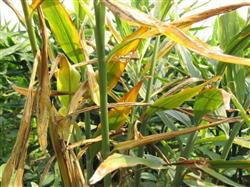
Growing ginger is a relatively good project for farmers to increase income and achieve prosperity, but in production, the phenomenon of rotting ginger and dead seedlings often occurs, and ginger farmers are unable to prescribe the right remedy. Experts believe that the causes of rotting ginger and dead seedlings are as follows.
1. Ginger blast disease
It is mostly caused by seeds and soil carrying bacteria, and prevention and control not keeping up. The prevention methods are as follows:
1. Sun-drying seeds: After the seed ginger is harvested, dry it in the sun for a few days first, then place it under conditions of 20°C to 30°C for 7 to 8 days to promote wound healing, which can reduce the occurrence of ginger blast disease during storage.
2. Seed soaking: Select old ginger with plump and full ginger pieces, bright skin color, fresh flesh, hard texture, and no disease as seed ginger. Before sprouting, soak the seeds for 15 to 20 minutes in a mixed solution of 0.2% borax + 0.5% monopotassium phosphate + 50% carbendazim 800 times + antivirus alum 800 times + Tianda 2116 seed soaking and dressing special type 600 times liquid.
3. Avoid continuous cropping: Ginger has an underdeveloped root system, and continuous cropping results in small rhizomes and susceptibility to rot disease. Therefore, it should be rotated for 3 to 4 years with rice, cruciferous crops, leguminous crops, etc.
4. Soil disinfection: When preparing the land, spread 75 to 100 kg of quicklime per mu for soil disinfection.
5. Post-disease treatment: Remove diseased plants promptly when found, and spread quicklime in the diseased holes. Irrigate the whole field with antivirus alum 500 to 600 times liquid + Tianda 2116 underground rhizome special type 600 times or 72% agricultural streptomycin 100 units per hole. Strictly prevent irrigation water from diseased fields from flowing into disease-free fields.
2. Fertilizer damage caused by excessive fertilization and improper fertilization methods
Some ginger farmers believe that ginger is tolerant to fertilizer and that the more fertilizer applied, the higher the yield, so they blindly apply heavy chemical fertilizers, favor nitrogen fertilizer, and apply concentrated fertilizer, and some even dry-apply urea, compound fertilizer, etc., causing fertilizer damage, numb-foot ginger, and severe rotting ginger and dead seedlings. Ginger should mainly be given decomposed farmyard manure. Generally, when preparing the land, apply 3000 kg of decomposed pig and cattle manure, 30 kg of superphosphate, and 15 kg of potassium fertilizer per mu as base fertilizer; when the seedlings are about 30 cm tall, apply fertilizer once, with 750 to 1000 kg of pig manure water per mu; around the summer solstice, when the ginger seedlings have developed 3 to 4 shoots, use 50 to 100 kg of decomposed oil cake mixed with 300 to 500 kg of ash per mu for spot application at the hills, or apply 1000 to 1500 kg of pig manure water, and after fertilizing cover with a layer of fine soil or soil residue fertilizer; around the major heat, apply 1000 to 1500 kg of pig manure and 4 to 5 kg of urea per mu.
3. Waterlogging damage caused by field water accumulation
It is mostly caused by shallow soil plow layer, shallow drainage ditches, and white sand soil becoming waterlogged and compacted after rain, not breathable, resulting in waterlogging damage, and high temperature and high humidity causing rotting ginger and dead seedlings. The prevention methods are as follows: 1. Before frost, dig the ginger field 35 to 45 cm deep; at the same time, dig drainage ditches with the main ditch 55 to 60 cm deep and side ditches 50 cm deep, so that drainage is smooth, the ditches dry after rain stops, and there is no water accumulation or hidden waterlogging in the planting ditches and holes. 2. Choose loam soil and clay loam soil with deep soil layers, good air permeability, rich organic matter, and strong water and fertilizer retention for planting, and avoid planting in white sand soil that is prone to waterlogging and compaction.