What should be paid attention to during the ear stage of corn? Don't miss these management points
What should be paid attention to during the ear stage of corn? Please note that the ear stage of corn refers to the period from the jointing stage to the tasseling stage, and summer intercropped corn or summer direct-seeded corn generally needs 25-30 days. During the ear stage of corn, vegetative growth and reproductive growth proceed simultaneously, and it is the period of most vigorous growth. Corn is a warm-loving crop, and the growth and development during the ear stage require...
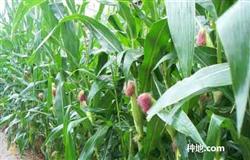
What should be paid attention to during the ear stage of corn? Please note
The ear stage of corn refers to the period from the jointing stage to the tasseling stage, and summer intercropped corn or summer direct-seeded corn generally needs 25-30 days. During the ear stage of corn, vegetative growth and reproductive growth proceed simultaneously, and it is the period of most vigorous growth. Corn is a warm-loving crop, and the suitable daily average temperature required for growth and development during the ear stage is 20°C-24°C; higher temperatures favor stem and leaf growth and the differentiation and formation of tassels and ears. The ear stage requires a relatively large amount of water, accounting for 1/3 of the total water consumption, and the suitable relative soil moisture is 70%-80%. Around the tasseling stage of corn is the "critical period" for water; soil drought will cause a large number of florets to degenerate, and in severe cases will cause "neck-blocking drought" and failure of flowering to coincide, resulting in a large reduction in yield. During the ear stage, especially from the large trumpet stage to the tasseling stage, sufficient light conditions are required to favor dry matter accumulation, coordinate the nutrient balance in the plant, and promote the differentiation of spikelets and florets. In production, the main goal during the ear stage is to achieve plants with many thick roots, sturdy stalks, broad and thick leaves with dark green color, and large ears with many grains. During the ear stage of corn, the following management measures should be taken:
1. At present, the temperature is relatively high and there are many cloudy and rainy days, so field fertilizer and water management should be strengthened; during the large trumpet stage, ear-promoting fertilizer should be applied as topdressing, with a significant yield-increasing effect, mainly using quick-acting nitrogen fertilizer, and for high-yield fields, topdressing 2-3 times; for fields with weak seedlings and poor soil fertility, topdressing can be appropriately advanced and the amount increased. In areas with more precipitation, for plots flooded or waterlogged after rain, drainage should be carried out in time to avoid affecting root growth.
2. During the ear stage, cultivation is generally carried out 1-2 times; after jointing to the small trumpet stage, deep cultivation should be carried out once to promote root development; after the small trumpet stage, shallow cultivation should be carried out to protect roots and conserve soil moisture. During the large trumpet stage, hilling should be carried out in combination with topdressing to promote root growth.
3. After jointing, remove weak and small plants and tillers in time to reduce fertilizer and water consumption and improve ventilation and light conditions.
4. The main diseases and pests during the ear stage of corn include northern leaf blight, southern leaf blight, stalk rot, and corn borer, etc., and timely control should be paid attention to.
Click to get more corn planting techniques
Click to get more grain crop planting techniques