What are the functions and benefits of wheat seed coating?
What is the use of wheat seed coating? Please explain. Coating seeds and treating them with chemicals before sowing wheat is a key measure to reduce the base number of pests and diseases, move the prevention and control threshold earlier, and lessen the occurrence and damage of pests and diseases in the coming year. Through seed coating and dressing, it is possible to effectively prevent and control wheat rust, powdery mildew, sheath blight, smut, take-...
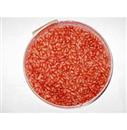
What is the use of wheat seed coating? Please explain
Coating seeds and treating them with chemicals before sowing wheat is a key measure to reduce the base number of pests and diseases, move the prevention and control threshold earlier, and lessen the occurrence and damage of pests and diseases in the coming year. Through seed coating and dressing, it is possible to effectively prevent and control pests and diseases such as wheat rust, powdery mildew, sheath blight, smut, take-all disease, viral disease, soil-dwelling pests, wheat aphids and small brown planthoppers. Chemical seed dressing techniques. Insecticides: in areas where soil-dwelling pests generally occur, dress seeds with 40% phoxim at 0.2% of the seed amount, or with 48% chlorpyrifos emulsifiable concentrate at 0.3% of the seed weight; after dressing, pile and cover the seed for 4-6 hours. This can effectively control soil-dwelling pests such as mole crickets, white grubs and wireworms, and also control red spiders, aphids and small brown planthoppers at the seedling stage.
Fungicides: in areas where wheat stinking smut, loose smut, root rot, sheath blight and take-all disease occur, you may choose 2% tebuconazole (Raxil) dry dressing agent or wet dressing agent at 10-15 grams to dress 10 kilograms of wheat seed, or 2.5% fludioxonil (Celest) suspension concentrate at 10-20 milliliters to dress 10 kilograms of wheat seed, or 40% quintozene at 0.4%-0.5% of the seed amount for seed dressing. Growth agents: you may choose Handilong at 0.5% of the seed amount, or 0.2%-0.3% potassium dihydrogen phosphate and the like for seed dressing, to increase the emergence rate, promote faster emergence of wheat seedlings, enhance their own disease resistance, and reduce opportunities for pathogen infection.
Precautions: the amount of seed dressing agent must be strictly followed as required. Generally, first dilute the insecticide with water into a medicinal solution according to the required proportion, use a sprayer to evenly spray the solution onto the seeds, pile and cover for 4-6 hours, spread out to dry, and then before sowing mix in the fungicide and regulator; it should be mixed and sown immediately, and must not be left standing for long. In addition, seed dressing with chemicals must have a dedicated person in charge and be carried out strictly according to operating standards. During seed dressing, smoking, drinking water and eating snacks are prohibited; after seed dressing, wash hands and face promptly, and wheat seeds that have been dressed must be stored separately. Poisoning accidents involving people and livestock are strictly prohibited.
Seed coating techniques. Seed coating has the advantages of being simple, slow-release and long-lasting, and besides preventing and controlling pests and diseases, it also has a seed fertilizer effect. Each district and county may, according to the types of pests and diseases occurring, select seed coating agents with appropriate formulations in a targeted way. For example, to prevent and control various diseases such as wheat sheath blight, root rot and stinking smut, you may choose 25 g/L fludioxonil suspension concentrate seed coating agent, dilute 10 milliliters with 0.5-1 kilogram of water, and dress 10 kilograms of wheat seed; or 30 g/L difenoconazole suspension concentrate seed coating agent at 0.2%-0.3% of the seed amount for seed dressing, or 15% carbendazim-thiram seed coating agent at 1 to 60-80 (agent-to-seed ratio) for seed dressing. For example, to prevent aphids, soil-dwelling pests and diseases such as rust, you may choose 60% imidacloprid suspension concentrate seed coating agent (Gaucho) 30 milliliters plus 6% tebuconazole suspension concentrate seed coating agent (Raxil) 10 milliliters, add 0.3-0.4 kilograms of water, and coat 15-20 kilograms. Note: seed coating should be done as early as possible to ensure the active ingredients are fully absorbed by the seeds.
Click to get more wheat cultivation techniques
Click to get more grain cultivation techniques