What are the methods for disease and pest control in wheat seeds?
How are disease and pest control carried out on wheat seeds? Please give guidance. For disease and pest control in wheat seeds, you can refer to the following methods: 1. Seed dressing with Shimai Dan: Shimai Dan is a seed coating agent produced by Syngenta Crop Protection AG of Switzerland, with active ingredients 2.4% difenoconazole and 2.4% fludioxonil, registered for the control of wheat loose smut. For every 10 ml of the agent, mix with 10 kg of seed. After diluting the liquid with water, thoroughly stir the slurry and seed at a ratio of 1:50-100 until the slurry is evenly distributed on the seed surface. Let it dry and then sow. This agent has systemic translocation properties; after dressing, the agent can be absorbed by wheat seeds and seedlings, has a long lasting effect, provides good disease control and seedling protection, and can promote robust wheat growth.
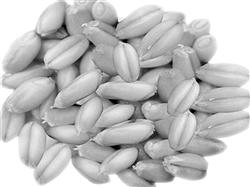
How are disease and pest control carried out on wheat seeds? Please give guidance.
For disease and pest control in wheat seeds, you can refer to the following methods:
1. Seed dressing with Shimai Dan: Shimai Dan is a seed coating agent produced by Syngenta Crop Protection AG of Switzerland, with active ingredients 2.4% difenoconazole and 2.4% fludioxonil, registered for the control of wheat loose smut. For every 10 ml of the agent, mix with 10 kg of seed. After diluting the liquid with water, thoroughly stir the slurry and seed at a ratio of 1:50-100 until the slurry is evenly distributed on the seed surface. Let it dry and then sow. This agent has systemic translocation properties; after dressing, the agent can be absorbed by wheat seeds and seedlings, has a long lasting effect, provides good disease control and seedling protection, and can promote robust wheat growth.
2. Seed dressing with 2% tebuconazole: Mix the agent with wheat seed at a ratio of 0.1-0.5% (10-15 g of agent per 10 kg of seed). First add a small amount of water to make a paste, then thoroughly stir with the seed so that the slurry is evenly distributed on the seed surface. Leave in a cool place to dry and then sow. It can control wheat sharp eyespot, take-all, and root rot.
3. Seed dressing with phoxim or chlorpyrifos: In areas where underground pests such as mole crickets and white grubs occur, you can use 50% phoxim emulsifiable concentrate for seed dressing, using 100 g of pesticide per 100 jin of seed, diluted with 2.5 kg of water. You can also use 48% chlorpyrifos emulsifiable concentrate at 0.3% of the seed amount for seed dressing. After dressing, pile and cover for 4 hours before sowing, which can effectively control underground pests.
4. In areas with severe underground pest occurrence, control can be carried out by combining soil treatment and seed dressing with chemicals. For soil treatment, use 3% phoxim granules at 2.5 kg per mu, evenly broadcast on the ground surface, then plow them into the soil. In the dryland fields of soybean, corn, sweet potato, etc. in our county, because food sources are abundant, it is conducive to the occurrence and reproduction of underground pests, so these two methods can be combined.
When dressing seeds with chemicals, the following points should be noted:
1. Determine the type of chemicals to use according to the disease and pest situation in different fields. If there are few underground pests and many diseases, only fungicides may be used, such as local wheat after rice. If they occur together, both insecticides and fungicides can be used. If there are many underground pests, seed dressing and soil treatment should be combined, such as in dryland wheat after soybean, corn, etc.
2. Accurately control the dosage. Do not blindly increase the dosage, so as to avoid delayed emergence of wheat, slow growth, or even missing seedlings and broken rows. The sowing depth should preferably be 2-5 cm.
3. Dress and sow immediately; do not leave for a long time. After dressing with insecticides, pile and cover for 4-6 hours; fungicides should be dressed and sown immediately, otherwise phytotoxicity is likely to occur. Never spread them out to dry in the sun.
4. Take good protective measures to prevent poisoning of people and livestock.
Click to get more wheat cultivation techniques
Click to get more grain cultivation techniques