What are the benefits of disease prevention for wheat seeds?
What are the benefits of disease prevention for wheat seeds? Please explain. During the wheat sowing period, wheat pests and diseases are a key factor restricting high wheat yields. They are divided into seed-borne and soil-borne diseases, mainly including: sheath blight, root rot, smut, etc. These pests and diseases occur at the seedling stage and have a long incubation period. If a compound outbreak occurs, the control effect is relatively poor, with yield reductions of 10-30% in mild cases and total crop failure in severe cases.
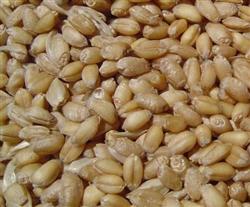
What are the benefits of disease prevention for wheat seeds? Please explain.
During the wheat sowing period, wheat pests and diseases are a key factor restricting high wheat yields. They are divided into seed-borne and soil-borne diseases, mainly including: sheath blight, root rot, smut, etc. These pests and diseases occur at the seedling stage and have a long incubation period. If a compound outbreak occurs, the control effect is relatively poor, with yield reductions of 10-30% in mild cases and total crop failure in severe cases. Through many years of trials, applying 20 milliliters of "Diweidan" plus 4 milliliters of Tianfengsu mixed with 4 liang of water and evenly mixed into 20 jin of wheat seed, then after film formation, coated seed is made. It can be sown immediately after coating and can kill pathogens on the seed surface and inside the seed, effectively controlling many diseases such as wheat sheath blight, root rot, smut, and more. The effective period lasts as long as 4 months, protecting new roots and stems from pathogen infection. At the same time, it saves 3-5 jin of seed, has a high germination rate, and can emerge 1-2 days earlier, with uniform and strong seedlings, more tillers, lodging resistance, and greatly increased cold and freezing resistance.
Click to get more wheat cultivation techniques
Click to get more grain cultivation techniques