Detailed Explanation of Key Points for High-Yield Cultivation Techniques of Kudzu
Known as the "Asian ginseng," a dual-purpose medicinal and edible mountain plant - kudzu powder. Experts from authoritative organizations such as the World Food and Agriculture Organization predict that within five years, kudzu powder is expected to become the world's sixth-largest food crop, with global demand for kudzu powder reaching 50 million tons/year (nearly ten million mu of cultivated land). After China's accession to the WTO, domestic and international pharmaceutical processing enterprises have greatly increased demand for China's green food and agricultural products. Because kudzu powder has both medicinal and edible benefits, it is even more a treasure among green plants. As a major country supplying kudzu powder raw materials, China's current planting area is still less than 200,000 mu, far from meeting the demand of domestic and international markets. Domestic and international pharmaceutical manufacturers have rushed to develop kudzu powder pharmaceutical and health products, but due to the shortage of raw materials, they have had to scramble to purchase them everywhere. At the same time, because kudzu powder has wide adaptability to soil and is suitable for planting in mountainous areas, it has practical significance for the economic development of poor mountainous areas and for farmers to escape poverty and become prosperous, and it is even more significant for environmental protection. Developing the kudzu industry is imperative. Based on our many years of planting experience, we have developed a set of key points for high-yield kudzu cultivation techniques:
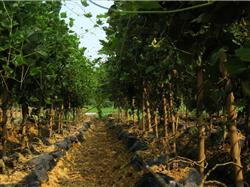
Known as the "Asian ginseng," a dual-purpose medicinal and edible mountain plant - kudzu powder. Experts from authoritative organizations such as the World Food and Agriculture Organization predict that within five years, kudzu powder is expected to become the world's sixth-largest food crop, with global demand for kudzu powder reaching 50 million tons/year (nearly ten million mu of cultivated land). After China's accession to the WTO, domestic and international pharmaceutical processing enterprises have greatly increased demand for China's green food and agricultural products. Because kudzu powder has both medicinal and edible benefits, it is even more a treasure among green plants. As a major country supplying kudzu powder raw materials, China's current planting area is still less than 200,000 mu, far from meeting the demand of domestic and international markets. Domestic and international pharmaceutical manufacturers have rushed to develop kudzu powder pharmaceutical and health products, but due to the shortage of raw materials, they have had to scramble to purchase them everywhere. At the same time, because kudzu powder has wide adaptability to soil and is suitable for planting in mountainous areas, it has practical significance for the economic development of poor mountainous areas and for farmers to escape poverty and become prosperous, and it is even more significant for environmental protection. Developing the kudzu industry is imperative. Based on our many years of planting experience, we have developed a set of key points for high-yield kudzu cultivation techniques:
1. Site selection: Requires deep soil layers and easy drainage. Farmland, cultivated land, barren hills, barren slopes, riversides, embankments, field edges, dike corners, in front of and behind houses, and forest cutting sites are all suitable. Slightly acidic soil is suitable. The suitable growth temperature is around 28°C, with tolerance to low temperatures of minus 20°C and high temperatures of 39°C.
2. Base fertilizer: Use 100 kg of kudzu-specific biological organic fertilizer per mu, thoroughly mixed with 1000-2000 kg of decomposed compost (farmyard manure), as base fertilizer and row fertilizer.
3. Land preparation: Clear weeds, plow and turn the soil to a depth of about 35 cm, rake the ground level, then make beds with furrow depth of 40 cm and surface width of about 100 cm.
4. Planting seedlings: From December to April, use 660-700 seedlings (with roots) or cut seedlings (containing two stem nodes) per mu, with plant spacing of 100 cm and row spacing of 100 cm. According to the growth characteristics of kudzu, plant (insert) the seedlings into the soil at a 30° angle to the ground, press the surrounding soil firmly, then water to settle the roots (note: let the buds emerge above the soil surface; for cut seedlings with two stem nodes, one node must be in the soil and one node must be outside the soil).
5. Root-dipping fertilizer: Before planting, soak 1-1.5 kg of compound biological fertilizer per mu for about 2 hours, add fine soil and clean water, stir into a paste, dip the seedling roots fully in the mud slurry, then plant (insert), to improve the survival rate.
6. Field management: 1. Apply seedling-promoting fertilizer: When the seedlings grow to about 20 cm (after loosening soil and weeding), thoroughly mix 1 kg of compound biological fertilizer per mu with 200 kg of diluted decomposed human manure and urine, then pour it on. Apply once every 20 days, gradually increasing the concentration and amount each time, for a total of three times. 2. Spray bacterial fertilizer (to promote seedlings): Before the vines and leaves cover the ground, soak 0.5 kg of compound biological bacterial fertilizer per mu for 2-3 hours, filter it, and spray it on the underside of the leaves after 4 p.m. on a cloudy day or a sunny day. Spray twice within 1 week. 3. Apply hole fertilizer: When the tubers begin to form, mix 25-50 kg of kudzu-specific biological organic fertilizer per mu with decomposed human manure and urine, and pour it 20 cm from the plant roots. 4. Cultivation and weeding: When the seedlings grow to about 20 cm, cultivation and weeding are needed, with deep cultivation of about 5 cm (cultivation is not suitable after tuber formation). After seedling promotion, the crop grows vigorously and weeds have no chance to grow. 5. Pest control: When pests occur, use the biological pesticide abamectin (Chongbaisha) during the larval stage to kill them in a timely manner (chemical pesticides are strictly prohibited). 6. Irrigation: Kudzu is drought-tolerant and afraid of waterlogging. When watering, it should not be too wet. During continuous rainy days, drainage should be carried out in a timely manner to prevent waterlogging. 7. Harvest: Harvest in winter (October-December). When the tubers expand and cause soil cracking, dig open the soil from the cracks to expose the top of the tubers, take the tubers out directly, harvest the large ones and leave the small ones, then cover with soil (avoid damaging the tubers when digging).