Step-by-step guide to making goji berry tea
To increase the commercial value of goji berries, the following aspects should be noted during harvesting and drying: 1. Pay attention to the harvesting period of goji berries. When the fruit is bright red in color, smooth and glossy on the surface, the fruit body becomes soft and elastic, the flesh thickens, and the fruit separates easily from the stem, it is ready to be harvested. The harvest of goji berries generally must be done at the awn...
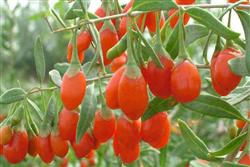 Goji berry tea is a new type of health tea made from the tender shoot tips of goji berry trees harvested during the growing season, processed into tea. It has the characteristics of a refreshing fragrance, soothing the heart, refreshing the mind and brightening the eyes, a mellow and sweet taste, and a long-lasting aftertaste. Its production method is as follows:
1. Raw material collection. Picking tender shoot tips should be done from early April to late September, and you should choose to pick shoot tips that are growing vigorously, with thick and strong tender buds and free of pests and diseases. To ensure there is sufficient nutrition for the tree body to grow, it is not advisable to pick too many shoot tips from the same tree.
2. Fixing and rolling. First clean the wok thoroughly, light the fire and heat it until slight black smoke rises from the wok, then immediately add the freshly picked tender goji berry shoot tips. Use a stir-frying method combining tossing, lifting, and covering, and stir-fry until the branches and stems become soft. Remove them and spread them out in a sieve, immediately ventilate to cool them down, and after there is no residual heat, rub and knead them by hand, first gently and then with force. Knead until the tea juice seeps out from the branch and stem tissues and the leaf flesh tissues, then wash the wok once, and heat it again to stir-fry. Using the same method, wash the wok, cool it down, roll and knead, and stir-fry four or five times. Knead until the branches and stems are withered, at a degree that is neither tight nor loose.
3. Stir-frying to dry and storage. Before the initial stir-frying, clean the wok thoroughly. After the wok is heated and the temperature rises, add the tea leaves, stir-fry while turning, and gradually lower the temperature in the wok to prevent burning. Keep turning and stir-frying until it breaks when pinched, and when the tea leaves show a grayish-brown color, they can be removed from the wok. After spreading out to cool, store in an iron box, thermos bottle, or plastic bag, sealed, moisture-proof, and protected from deterioration.