How to grow sesame for high yields? A full breakdown of cultivation techniques
How to grow sesame well? A detailed introduction follows. For sesame cultivation, you can refer to the following methods: 1. Prepare the beds carefully. The furrow width is 33 cm, the bed height is 20 cm, and the bed width is 1-1.2 m. A suitable bed width makes management easier. 2. Sow at the right time. Dig shallow furrows on the bed surface, with a furrow spacing (also the row spacing) of 33 cm. When sowing, because sesame seeds are small...
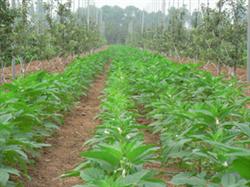
How to grow sesame well? A detailed introduction
For sesame cultivation, you can refer to the following methods:
1. Prepare the beds carefully. The furrow width is 33 cm, the bed height is 20 cm, and the bed width is 1-1.2 m. A suitable bed width makes management easier.
2. Sow at the right time. Dig shallow furrows on the bed surface, with a furrow spacing (also the row spacing) of 33 cm. When sowing, because sesame seeds are small, the density is hard to control, so they can be mixed evenly with a small amount of dry fine soil before sowing.
3. Chemical weed control. 3 days after sowing, use 60 ml of 60% Huanas emulsifiable concentrate per mu, dilute with 50 kg of water, and spray evenly on the bed surface to reduce weed growth.
4. Thinning. After more than ten days, thin the seedlings once they have grown 2-3 cotyledons, then thin again after 5-6 days, so that the plant spacing is between 22-24 cm, with 8,000-10,000 plants per mu. Suitable plant spacing favors branching.
5. Scientific fertilization. First, apply enough base fertilizer, applying 1,500 kg of farmyard manure per mu. After 3-4 true leaves have grown, apply human excrement and urine 1-2 times. The flowering and capsule-setting stage is the most vigorous growth period for sesame and also the peak period of fertilizer demand. Apply 10-15 kg of ammonium sulfate per mu as a top dressing, and spray the leaves with a mixed solution of 0.4% potassium dihydrogen phosphate and 0.2% borax, spraying once every 5-7 days for 2 consecutive sprays.
6. Control diseases and pests. The main sesame diseases include damping-off and anthracnose; pests include aphids and green plant bugs. Sesame damping-off mainly harms seedlings and young roots. Sesame anthracnose can occur from emergence to maturity and can be sprayed with 500 times diluted 50% carbendazim wettable powder. This year aphids and green plant bugs caused serious damage. Spray with 1,000-2,000 times diluted 40% isocarbophos emulsifiable concentrate, spraying thoroughly from top to bottom. When pests occurred in early June, sprays were applied 2-3 times consecutively at 7-10 day intervals.
7. Top at the right time
After the full fruiting stage, when the leaf nodes at the top of the main stem cluster and growth nearly stops, pick off the terminal bud on a sunny morning.
8. Harvest at the right time. When the sesame capsules turn yellow and ripe and the seeds are black, they can be harvested.
Click to get more sesame cultivation techniques
Click to get more grain crop cultivation techniques