What are the chemical weed control methods for summer corn?
How is chemical weed control used in summer corn planting? Please note that the following methods can be referenced for weed control in summer corn planting: 1. Target weeds. According to a survey by the county plant protection station, the main weeds occurring in summer corn fields in our county include: field bindweed, goosegrass, purple nutsedge, crabgrass, purslane, foxtail, creeping thistle, volunteer wheat, etc. ...
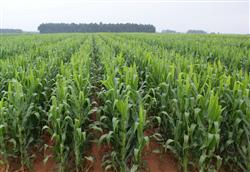
How is chemical weed control used in summer corn planting? Please explain
The following methods can be referenced for weed control in summer corn planting:
1. Target weeds
According to a survey by the county plant protection station, the main weeds occurring in summer corn fields in our county include: field bindweed, goosegrass, purple nutsedge, crabgrass, purslane, foxtail, creeping thistle, volunteer wheat, etc.
2. Technical control plan
1. Post-emergence chemical control
At the 2-5 leaf stage of corn, after the weeds have emerged and before the 5-leaf stage, use 100 ml of nicosulfuron + thifensulfuron + atrazine per mu, diluted in more than 30 kg of water, and spray evenly over the whole field for control.
2. Directed inter-row spraying of non-selective herbicides
When carrying out chemical control after the 7-leaf stage of corn, in order to prevent phytotoxicity, the use of post-emergence corn herbicides must be stopped, and non-selective herbicides should be used for directed inter-row spraying. You can use 20% paraquat 200 ml/mu or 20% Gramoxone 100-120 ml/mu for spray control.
3. Precautions
1. Choose safe and effective herbicides, and use them strictly according to the dosage instructions. 2. Avoid high-temperature weather when spraying; stop spraying when the temperature exceeds 30 degrees to prevent phytotoxicity. Try to choose clear and windless weather, and spray before 9 a.m. or after 4 p.m.
3. Use sufficient water when spraying, with no less than 30 kg of water per mu. Try to use a manual sprayer and spray the solution evenly on the weed leaf surfaces, taking care to avoid the corn whorl.
4. Good soil moisture is required in the corn field when spraying. When the soil is dry, artificial moisture supplementation (irrigation) must be carried out first, and then the herbicide sprayed, to prevent phytotoxicity from spraying when the soil is dry.
5. After spraying herbicides, the sprayer must be thoroughly cleaned to avoid causing phytotoxicity to other crops.
The growth period of summer corn is from June to September, which coincides with the hot and rainy season and favors the occurrence and damage of weeds in the field. Once the appropriate control period is missed, weed overgrowth is very likely to form, seriously affecting corn growth. Chemical weed control is an important measure for controlling weed damage in corn fields and increasing corn yield. To ensure a bumper harvest of summer corn in our county, summer corn planting areas are required to effectively carry out chemical weed control in summer corn.
Click to get more corn planting techniques
Click to get more food crop planting techniques