Control Methods and Technical Key Points for Goji Berry Anthracnose
Symptoms Goji berry anthracnose is commonly known as black fruit disease. It mainly damages green fruits, tender branches, leaves, buds, flowers, etc. When green fruits are infected, small black spots or irregular brown patches initially appear on the fruit surface. During continuous rainy weather, the lesions keep expanding, and half or the entire fruit turns black; when dry, the fruit shrivels; when humidity is high, many orange-red gelatinous dots grow on the diseased fruit; tender branches, leaf tips...
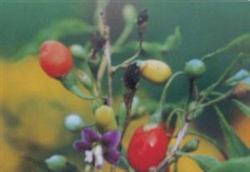
Symptoms
Goji berry anthracnose is commonly known as black fruit disease. It mainly damages green fruits, tender branches, leaves, buds, flowers, etc. When green fruits are infected, small black spots or irregular brown patches initially appear on the fruit surface. During continuous rainy weather, the lesions keep expanding, and half or the entire fruit turns black; when dry, the fruit shrivels; when humidity is high, many orange-red gelatinous dots grow on the diseased fruit; when tender branches, leaf tips and leaf margins are infected, brown semicircular lesions appear, which turn black after expanding and become wet rot-like under high humidity, with sticky droplet-like orange-red dots appearing on the surface of the diseased parts, namely the pathogen's acervuli and conidia.
Transmission Routes
It overwinters as mycelium and conidia on goji berry trees and on diseased fallen fruits on the ground. In spring of the following year, rain mainly splashes apart the conidia that are stuck together and spreads them to young fruits, flowers and buds, invading through wounds or directly, with an incubation period of 4m6 days. The disease spreads quickly in rainy years and rainy seasons, showing a pattern of heavy rain, major peak; light rain, minor peak. A water film on the fruit surface favors spore germination; when there is no rain, spores germinate at night when there is a water film or dew droplets on the fruit surface. In dry years or dry rainless seasons, the disease is mild and spreads slowly. It begins to occur from mid-May to early June, breaks out from mid-July to mid-August, and when damage is severe, the diseased fruit rate can reach as high as 80%.
Control Methods
(1) After harvest, promptly prune off diseased branches and diseased fruits, remove diseased fallen fruits from the trees and the ground, and bury them deeply or burn them in a centralized manner. Before the first rainfall in June, remove diseased fallen fruits from the tree bodies and the ground again to reduce the primary infection source.
(2) Before the first rainfall in June, spray once first, and add an appropriate amount of urea to the spray solution to kill overwintering pathogens and enhance the disease resistance of the tree bodies.
(3) After the disease occurs, focus on spraying after rainfall. Spraying should be carried out within 24 hours after rain to prevent the conidia from germinating and invading after transmission.
(4) During the disease period, prohibit flood irrigation, drain accumulated water from the goji berry orchard after rain, and watering should be done in the morning to control field humidity and reduce dew formation on the fruit surface at night.
(5) During the disease period, promptly control aphids and mites to prevent pests from carrying spores to transmit the disease and causing wounds.