What are the methods for preventing and controlling pests and diseases in yam?
What methods are there for preventing and controlling pests and diseases when growing yam? Please give an introduction to the methods. When growing yam, the following methods can be used to prevent and control pests and diseases: I. Agricultural control 1. Selecting disease-resistant varieties is an effective method for preventing and controlling yam pests and diseases. When cultivating disease-resistant varieties, a rational layout should be used, rotating varieties every 2 to 3 years, and paying attention...
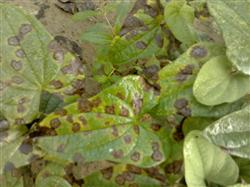
What methods are there for preventing and controlling pests and diseases when growing yam? Please give an introduction to the methods.
When growing yam, the following methods can be used to prevent and control pests and diseases:
I. Agricultural control
1. Selecting disease-resistant varieties is an effective method for preventing and controlling yam pests and diseases. When cultivating disease-resistant varieties, a rational layout should be used, rotating varieties every 2 to 3 years, and attention should be paid to variety purification and rejuvenation.
2. Crop rotation can reduce or avoid the harm of yam stem rot and root-knot nematodes. Rotate at least once every 3 years with crops that are not infected, such as corn, wheat, radish, and watermelon; in old areas where yam is cultivated year after year, rotate once every year; where conditions permit, paddy-upland rotation can be implemented for a better control effect.
3. Land preparation can directly eliminate pathogenic bacteria that overwinter in the soil. Choose fertile, loose sandy loam soil with high, dry terrain and relatively low humidity, and carry out land preparation in autumn, so that diseased residues left on the surface can be turned into the soil, accelerating the decomposition and rotting of the diseased residues, and through winter freezing and spring sun exposure, some pathogens lose their vitality.
4. Fertilization and irrigation. Yam is a fertilizer-loving crop, so fully decomposed organic fertilizer must be applied during land preparation. Generally, increasing the application of phosphorus and potassium fertilizers helps the formation of yam mechanical tissues and enhances the ability to resist pathogenic bacteria. Applying too much nitrogen fertilizer easily causes excessive vegetative growth, making stem and leaf tissues tender and susceptible to yam anthracnose. The principle of watering is "do not water unless dry"; when watering, use a clean water source and be sure to water thoroughly. There must be no standing water in the field, and drainage should be done promptly in the rainy season to avoid root rot.
5. Field surface sanitation. Field weeds are best removed manually. Promptly remove the leaves and stems of diseased yam, which can reduce re-infection by pathogens. When harvesting yam, the diseased residues, weeds, and rotting stems left on the ground should be burned in a centralized manner or taken outside the field for deep burial, to reduce overwintering pathogenic bacteria.
II. Chemical control
1. Yam anthracnose. It damages stems and leaves, causing stem blight and leaf drop. Control method: soak seed tubers in 1:1:150 Bordeaux mixture for 10 minutes. At full seedling emergence, spray the first application with 50% carbendazim 600-fold solution, and spray a second time 10 days later. If disease is found in July to August, use 65% zineb wettable powder 500-fold solution, 50% thiram wettable powder 800-1000-fold solution, or 50% thiophanate-methyl 700-800-fold solution, and spray 2 to 4 times depending on the severity of the disease, alternating the sprays. The interval between each application should be 8 to 10 days, and the liquid should be re-sprayed after rain.
2. Root-lesion nematode disease. It causes plant stunting, and in severe cases the whole plant turns yellow and dies; when tubers are damaged, small galls of varying sizes appear, affecting yield and quality. Control method: treat the soil with chemicals before sowing. For each mu, use 5 kg of 5% mephospholan granules mixed with 100 kg of moist fine soil, open furrows and evenly broadcast it on both sides of the seed tubers, or evenly broadcast it in combination with land preparation, incorporating it 25-30 cm into the soil.
3. Sawfly. It bites and eats yam leaves, causing severe leaf loss, affecting photosynthesis and leading to reduced tuber yield. Spray stems and leaves with 2% deltamethrin 3000-fold solution or 90% crystalline trichlorfon 1000-fold solution.
4. White grubs. They bite and eat tubers, making the tubers impossible to cook soft and causing the taste to become bitter. Use soil treatment for control: use 50% phoxim 250-300 ml per mu, add 25 kg of fine soil, mix well, and scatter it into the ridges. After application, immediately insert it into the 20 cm soil layer, then plant the yam seed.
Click to get more yam cultivation techniques
Click to get more vegetable cultivation techniques