What Is Chinese Yam? A Detailed Explanation of Chinese Yam's Benefits and Effects
What is Chinese yam? What effects does Chinese yam have? Please give an introduction. Chinese yam is a twining herbaceous plant of the Dioscoreaceae family. Its original name was Shuyu. According to "Compendium of Materia Medica," because Emperor Daizong of the Tang Dynasty was named "Yu," in feudal times, to avoid naming taboo, it was changed to Shuyu, and later because Emperor Yingzong of the Song Dynasty was named "Shu," it was changed again to Shanyao (Chinese yam). Chinese yam includes wild and cultivated types; mountain-grown and flatland-grown, and so on. For medicinal use, mountain-grown and wild varieties are considered better.
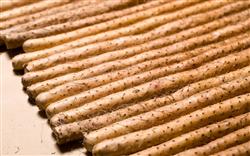
What is Chinese yam? What effects does Chinese yam have? Please give an introduction.
Chinese yam is a twining herbaceous plant of the Dioscoreaceae family. Its original name was Shuyu. According to "Compendium of Materia Medica," because Emperor Daizong of the Tang Dynasty was named "Yu," in feudal times, to avoid naming taboo, it was changed to Shuyu, and later because Emperor Yingzong of the Song Dynasty was named "Shu," it was changed again to Shanyao (Chinese yam). Chinese yam includes wild and cultivated types; mountain-grown and flatland-grown, and so on. For medicinal use, mountain-grown and wild varieties are considered better.
Culinary benefits: nourishes and strengthens the body, aids digestion, reduces abnormal sweating, stops diarrhea, and treats excessive thirst, nocturia, frequent urination, and leukorrhea in women. For diarrhea due to spleen deficiency (including chronic enteritis, and poor digestion and absorption): take half a jin of Chinese yam, 120 grams each of lotus seeds and Euryale ferox seeds, and grind them together into a fine powder. Take 2 to 3 spoonfuls each time, add an appropriate amount of white sugar, steam until cooked, and eat as a snack, 1 to 2 times daily, taken continuously, and it is effective.
Diabetes, thirst, excessive urination, and constant hunger: take 15 grams of Chinese yam and 6 grams of Coptis chinensis, and decoct in water. Or take equal amounts of Chinese yam and Trichosanthes root, 30 grams daily, decoct in water, and take in divided doses.
Chilblains, erysipelas, and early-stage carbuncles and swellings: mash fresh Chinese yam and apply it to the affected area, replacing it when dry; it will resolve after several applications. (Or add several castor bean kernels and mash them together for external application, which is even better.)
Cough with phlegm and wheezing (including chronic bronchitis and chronic bronchitis in the elderly): mash fresh Chinese yam, mix evenly with half a cup of sugarcane juice, stew until hot, and take it, z times a day. Nodules behind the neck with red swelling, hardness, and pain (including lymphadenitis swelling, carbuncles on the neck and back, etc.): take a section of fresh Chinese yam (peeled) and 2 to 3 castor beans (shelled), mash and grind them together into a fine paste, mix evenly, apply to the affected area, and replace twice a day.
Kidney deficiency with nocturnal emissions, spleen deficiency with loose stools, yang deficiency in the elderly, and frequent urination: take 30 to 60 grams of Chinese yam bulbils (the small tubers growing on the yam vine), cook and peel them, add a little white sugar, and take before bedtime; it is even better than Chinese yam. For lung disease with fever, cough and wheezing, spontaneous sweating, palpitations, and loose stools: take 60 to 120 grams of Chinese yam, boil it into a liquid and drink it, or cook an appropriate amount and eat it daily.
Click to get more Chinese yam cultivation techniques
Click to get more vegetable cultivation techniques