How to prevent and control peanut stem rot? A comprehensive analysis of practical methods
How to prevent and control peanut stem rot? Please explain. Peanut stem rot, commonly known as "rotten neck disease", generally occurs in the middle and late stages. After infection, the plant quickly withers and dies; in the late stage, infected plants' pods often rot or the kernels fail to fill, causing serious losses. The incidence rate in ordinary fields is 20%-30%, and in severe cases reaches 60%-70%, or even results in no harvest at all....
How to prevent and control peanut stem rot? Please explain
Peanut stem rot, commonly known as "rotten neck disease", generally occurs in the middle and late stages. After infection, the plant quickly withers and dies; in the late stage, infected plants' pods often rot or the kernels fail to fill, causing serious losses. The incidence rate in ordinary fields is 20%-30%, and in severe cases reaches 60%-70%, or even results in no harvest at all.
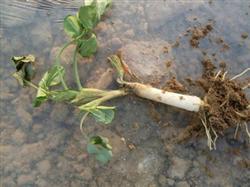
1. Symptoms. The pathogen invades the plant from the cotyledons or young roots, producing yellow-brown water-soaked lesions at the root crown, which later turn dark brown and cause rotting of the root tissue. In humid environments, the diseased area produces pycnidia (small black raised spots), the epidermis of the diseased area peels off easily, and the fibrous tissue is exposed. In dry environments, the epidermis of the diseased area becomes sunken and clings tightly to the stem. After infection at the mature plant stage, the whole plant dies within about 10-30 days. The site of disease is mostly at the base of the stem near the ground, and sometimes the main stem and lateral branches die progressively.
2. Disease occurrence pattern. The pathogen mainly overwinters on seeds and on diseased plant residues in the soil, becoming the source of infection for the following year. If diseased plants are used as feed or the pods and shells are fed to livestock, the resulting manure, as well as compost made with mixed diseased residues, can also spread the disease. In-field spread is mainly through field rainwater runoff, followed by strong wind, though the pathogen can also be spread by being carried during farming operations. In rainy and humid years, especially when rain occurs during the harvest season, the harvested seeds have a higher rate of carrying the pathogen; therefore, they are not only the main spreader of the disease but can also spread it over long distances through the introduction of seeds.
3. Prevention and control methods
1. Prevent seeds from becoming moldy and ensure seed quality. (1) Harvest at the right time to avoid seed dampness and prevent mold; (2) Dry the seeds in the sun and ensure the moisture content does not exceed 10%; (3) Store safely, paying attention to ventilation and moisture protection; (4) Do not use moldy or deteriorated seeds for sowing; (5) Peanuts intercropped with wheat and sown early have milder disease; (6) Choose disease-resistant varieties.
2. Reasonable crop rotation. It is best to rotate with gramineous crops such as wheat, sorghum and corn.
3. Apply decomposed fertilizer.
4. Chemical control. Use 25% or 50% carbendazim wettable powder, mixing with seed at 0.3%-0.5% of seed weight, or dilute 0.5%-1% of the seed amount in water to prepare a medicinal solution for seed soaking, using enough to submerge the seeds; soak for 24 hours, then remove and sow.
Click to get more peanut cultivation techniques
Click to get more grain and oil crop cultivation techniques