How is the optimal wheat harvest time determined? The key lies in these few points
How is the optimal wheat harvest time determined? From what aspects can we determine when wheat is ripe and suitable for harvest? The optimal time to harvest wheat is the late dough stage, at which the thousand-grain weight and yield of wheat are at their highest. Harvesting too early or too late will both lead to a decrease in thousand-grain weight and yield. At present, most wheat is harvested at the full-ripe stage, ...
How is the optimal wheat harvest time determined? From what aspects can we determine when wheat is ripe and suitable for harvest?
The optimal time to harvest wheat is the late dough stage, at which the thousand-grain weight and yield of wheat are at their highest. Harvesting too early or too late will both lead to a decrease in thousand-grain weight and yield. At present, most wheat is harvested at the full-ripe stage, and the problem of harvesting too late should attract the attention of the broad community of farmer friends.
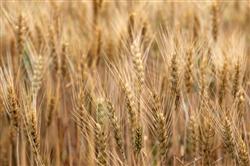
The standard for the late dough stage is that the plant stems have all turned yellow, the leaves are withered and yellow, the stems still have some elasticity, the inside of the grains is waxy, the moisture content is about 30%, the color is close to the inherent luster of the variety, and the grains can be cut through with a fingernail with force. According to surveys, wheat harvested at the full-ripe stage generally has a thousand-grain weight about 2.4 grams lower than that harvested at the late dough stage, with a yield reduction of 13 to 15 kg of wheat per mu.
Why does wheat harvested at the full-ripe stage suffer a yield reduction? First, after the late dough stage, the stems and leaves of wheat have already withered and yellowed and no longer produce dry matter, so the grains have also stopped filling, while the plant is still respiring; the energy needed for respiration comes from substances stored in the grains, which causes nutrients to flow back and reduces the thousand-grain weight of wheat. Second, in the later growth period, wheat often encounters rainy weather, which not only causes the contents of the grains to be leached out and reduces the thousand-grain weight, but also often causes the grains to sprout or become moldy and rotten, seriously reducing the yield and quality of wheat. Third, at the late dough stage, the node below the ear is golden yellow with a slight green tinge, and harvesting at this time makes it less likely for the heads to break off and the ears to drop. If harvesting is delayed, the plant becomes brittle due to excessive water loss, leading to an increase in grain shattering and ear dropping, which reduces wheat yield; if it encounters storms, torrential rain, or hail, the yield loss will be even more serious.
Click to get more wheat cultivation techniques
Click to get more grain cultivation techniques