How should wheat be stored? These grain storage methods are worth mastering
How should wheat be stored? What pests should be prevented? This is because wheat storage involves the following factors: Strong moisture absorbency: the wheat seed coat is relatively thin, its tissue structure is loose, and its moisture-absorbing capacity is relatively strong. Long after-ripening period: wheat has a relatively long after-ripening period. Different varieties have different after-ripening periods. For most varieties, the after-ripening period ranges from two weeks to...
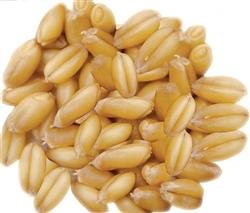
How should wheat be stored? What pests should be prevented?
This is because wheat storage involves the following factors:
Strong moisture absorbency: the wheat seed coat is relatively thin, its tissue structure is loose, and its moisture-absorbing capacity is relatively strong.
Long after-ripening period: wheat has a relatively long after-ripening period. Different varieties have different after-ripening periods. For most varieties, the after-ripening period ranges from two weeks to two months. For wheat with suitable moisture content, after the after-ripening process is completed, the quality improves somewhat, and storage stability also increases somewhat.
Relatively tolerant of high temperatures: wheat has relatively strong heat resistance. According to experiments, wheat with 17% moisture can be dried at a temperature not exceeding 46°C; or when the moisture is below 13%, sun-drying at a temperature not exceeding 54°C will not reduce enzyme activity, and germination capacity is still maintained. The processing quality of the milled wheat flour not only does not decrease, but actually improves somewhat, making steamed buns soft and puffy. This provides a basis for using high-temperature drying or high-temperature insect killing for wheat.
Good storage tolerance: the biggest advantage of wheat is its relatively good storage tolerance. After completing after-ripening, wheat has weak respiration, lower than that of other cereal grains. Normal wheat with moisture within the standard (12.5%) can generally be stored for 3-5 years at room temperature or 5-8 years at low temperature (15°C), with no obvious change in edible quality.
Susceptible to insect damage: wheat is a grain type with poor insect resistance and a relatively high infestation rate. Apart from a few pest species that feed exclusively on legumes, wheat can be infested by almost all stored-grain pests, among which the maize weevil, angoumois grain moth and others cause the most serious damage. Wheat maturation, harvest and warehousing occur precisely in summer, which is the stage of pest reproduction and outbreak. After warehousing, the temperature is high, and if rainy weather occurs, it creates conditions very suitable for pest outbreaks.
Therefore, the following key points can be referenced for storing wheat:
Strictly control moisture: because wheat has a strong moisture-absorbing capacity, wheat storage should pay attention to reducing moisture and preventing dampness. Full use should be made of the high-temperature conditions in summer after wheat harvest for sun-drying, so that the moisture content of the wheat is controlled below 12.5% before warehousing. After the wheat is put into storage, moisture-proof measures should be taken, and attention should be paid to the moisture stratification and the "crusting" phenomenon on the upper layer that may occur during the after-ripening period.
Hot warehousing and airtight storage: storing wheat by putting it into the warehouse while hot and sealing it airtight is a traditional wheat storage method in China. Through sun-drying, the moisture content of wheat can be reduced, and at the same time, during the sun-drying and airtight warehousing process, the effects of high-temperature insect killing and sterilization can be achieved. For newly harvested wheat, it can promote the completion of after-ripening. Because pests are eliminated, and the moisture content and microbial load of the wheat are reduced, respiration intensity is greatly weakened, allowing long-term safe storage of wheat.
The specific operation method for putting wheat into the warehouse while hot is: during the hottest days of the dog days of summer, choose clear weather with high temperatures, sun-dry the wheat until the grain temperature reaches about 50°C, maintain the high temperature for 2 hours, and reduce the moisture to below 12.5%. Around 3 p.m., pile it up, put it into the warehouse while hot, and seal the entire warehouse, keeping the grain temperature at about 46°C for about 10 days, which can kill all pests. After that, the grain temperature gradually drops and balances with the warehouse temperature, and it shifts to normal airtight storage.
In addition, the warehouse, equipment, tools and utensils used for hot warehousing and airtight storage all need to be disinfested beforehand.
Low-temperature airtight storage: although wheat can tolerate high temperatures, prolonged storage at high temperatures will also reduce wheat quality. Therefore, after the autumn cool arrives, wheat can be naturally ventilated or mechanically ventilated to fully dissipate heat, and before the spring warmth arrives, it can be covered and sealed to maintain a low-temperature state. Low-temperature storage is the basic method for long-term safe storage of wheat. Maintaining a certain low temperature in wheat has certain benefits for prolonging seed life and maintaining quality.
Wheat can also be kept under freezing conditions to maintain good quality. For example, dry wheat stored under a low temperature of -5°C is beneficial for enhancing vitality. Therefore, by making use of the severe low temperatures of winter, turning the grain pile, removing impurities, and freezing it, the wheat temperature can be lowered to around 0°C, and then sealed while cold, which has a relatively good effect on eliminating overwintering pests in the wheat pile. Low-temperature airtight storage can allow long-term storage, but strict precautions must be taken to prevent contact with hot, humid air flows, so as to avoid condensation on the surface layer of the wheat pile.
Click to get more wheat cultivation techniques
Click to get more grain cultivation techniques