How to prevent sprouting and mildew during the wheat harvest period
How do you prevent sprouting and mildew during the wheat harvest? What methods are there? The wheat harvest period often encounters rainy and waterlogged weather, leading to sprouting in the ear or mildew in the grains, which not only seriously affects yield but also causes a decline in wheat quality, storability and seed-saving quality, bringing losses to agricultural production and farmers' income. The prevention methods are as follows:...
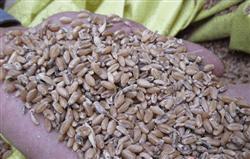
How do you prevent sprouting and mildew during the wheat harvest? What methods are there?
The wheat harvest period often encounters rainy and waterlogged weather, leading to sprouting in the ear or mildew in the grains, which not only seriously affects yield but also causes a decline in wheat quality, storability and seed-saving quality, bringing losses to agricultural production and farmers' income. The prevention methods are as follows:
1. Choose suitable varieties According to local conditions, choose rain-resistant, high-yield good varieties with good overall traits, a long dormancy period and an early maturity period. After wheat grains reach full ripeness, they must go through a dormancy period before they can germinate. The length of the dormancy period differs among varieties: the short ones last only a few days, while the long ones last dozens of days. Generally speaking, white wheat has a short dormancy period, red wheat has a long dormancy period, the irrigated land type has a shorter dormancy period, and the dryland type has a longer dormancy period. Therefore, choosing varieties with a longer dormancy period can achieve twice the result with half the effort. In addition, early-maturing varieties should be appropriately selected so as to avoid the rainy season.
2. Adjust the harvest period According to the timing of the local rainy season, sow appropriately early or late so that the wheat maturity period avoids the rainy season as much as possible. You can also spray a ripening agent 10 days before wheat maturity to promote yellowing, promote wheat maturity and earlier harvest, and avoid the rainy season.
3. Reasonably regulate fertilizer and water Fertilize reasonably to prevent excessive fertilizer, especially excessive nitrogen fertilizer application, from causing excessive vegetative growth and late maturity. Build a complete ditch system to ensure smooth irrigation and drainage, reduce field humidity, and prevent wheat from sprouting in the ear under high-temperature and high-humidity environmental conditions.
4. Strictly prevent wheat lodging After wheat lodging, the ears are in a small environment of high temperature and high humidity, and sprouting in the ear will worsen. In production, various measures such as formula fertilization, appropriately sparse planting, and application of chlormequat should be actively taken to prevent wheat lodging and reduce the probability of sprouting in the ear.
5. Chemical treatment During the yellow-ripe stage of wheat, evenly spray maleic hydrazide, paclobutrazol, ear sprouting inhibitor or Sui De An before rain to inhibit grain germination. Note that wheat treated with chemicals cannot be kept for seed, so as to avoid reducing the seed germination rate.
6. Harvest, thresh and dry in time After wheat matures, harvest and thresh it immediately, and dry it as soon as possible for storage. If it cannot be threshed in time, stack it into ricks early, and manage rain protection well on rainy days.
7. Prevent mildew after harvest
1. Spread-drying method Evenly spread the wheat grains in an empty room, the thinner the better, and turn them frequently. If spread thicker, they can be piled into a circle with a bamboo basket placed in the middle for ventilation and dehumidification.
2. Mechanical cooling method Place the wet wheat on a ventilated and breathable cooling bed. If there is no cooling bed, spread it thinly on the ground (thickness not exceeding 30cm), and use a blower, electric fan or exhaust fan to cool and remove moisture, turning it once every 3-5 hours.
3. Natural oxygen deprivation method Choose a shaded place with higher terrain. First lay the bottom with wheat bran or straw mats, then pile the wheat on top, cover it with new plastic film, pull the film tight on all sides and seal it with soil to isolate air, thereby inhibiting the respiration of wheat grains and microorganisms.
4. Leaf oxygen deprivation method Place containers with holes filled with fresh leaves into the grain pile, and seal the grain surface tightly with plastic film. Because the leaves respire vigorously, they can consume the oxygen in the grain pile in a short time, thereby inhibiting the respiration of wheat and the reproduction of mold, and preventing the wheat grains from heating and sprouting.
5. Salt and alum mixing method For every 100 kg of wet wheat, use 1.5-2 kg of table salt and 0.5 kg of alum, mix well and pile it in a ventilated indoor place, and seal it tightly with plastic film. Because table salt and alum have moisture-absorbing and sterilizing effects, they can better prevent wheat from sprouting and mildewing.
6. Spraying and mixing with vinegar method Spray 2.5 kg of vinegar per 500 kg of wheat, mix well while spraying, cover with plastic film after piling, and press the edges tightly with soil or sand.
7. Mixing with bleaching powder method Mix evenly at a ratio of 1 kg of bleaching powder per 500 kg of wheat, then pile it up and seal it with plastic film, which can keep wet wheat from heating and mildewing in a short period. The above methods can control wheat quality from undergoing major changes in the short term. Once the weather clears, dry it promptly; only after it is sun-dried can it be stored for a long time.
Click to get more wheat cultivation techniques
Click to get more grain cultivation techniques