What are the control methods for rice viral diseases?
How do you control rice viral diseases? Please explain the methods. Rice viral diseases occur in explosive, intermittent and migratory patterns. The severity of rice viral diseases is closely related to the cropping system, the population size and migration patterns of transmission vectors, climatic conditions and cultivation management measures. Control should implement the plant protection policy of "prevention first, integrated control"...
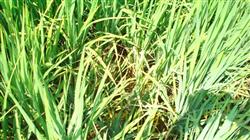
How do you control rice viral diseases? Please explain the methods
Rice viral diseases occur in explosive, intermittent and migratory patterns. The severity of rice viral diseases is closely related to the cropping system, the population size and migration patterns of transmission vectors, climatic conditions and cultivation management measures. Control should implement the plant protection policy of "prevention first, integrated control", with emphasis on controlling insects to prevent disease, and on the rational layout of cropping systems and varieties. The main control measures are:
I. Strengthen monitoring and early warning. Strengthen monitoring and forecasting of planthoppers and leafhoppers in rice (seedling) fields and on hosts outside the fields, and provide targeted guidance for prevention and control work.
II. Select disease-resistant varieties. This is the most economical and effective measure for controlling viral diseases. At the same time, pay attention to the rational layout of varieties and avoid mixed planting of varieties with inconsistent growth periods.
III. Cut off the source of the virus. Clear weeds around the fields to reduce insect sources. At the same time, carry out winter prevention well. In severely affected areas, after the late rice harvest, winter plowing and sun-drying of the field should be done to remove ratooning rice and weeds such as shortawn foxtail along field edges and ditches.
IV. Do a good job in cultivation management
1. In historically affected areas, appropriately adjust the rice sowing and transplanting periods within the suitable growth period, and try to stagger the period when rice is susceptible to disease from the peak occurrence period of virus-transmitting vector insects. Late rice seedling fields should be kept as far away as possible from early rice fields.
2. Strengthen water and fertilizer management. For affected fields, drain and sun-dry the field in time, apply quick-acting fertilizer, and increase the application of phosphorus fertilizer, potassium fertilizer and farmyard manure to enhance the rice's disease and insect resistance.
3. Strengthen field inspection and promptly pull out diseased plants.
V. Control insects to prevent disease. Eliminate virus-carrying insects before they transmit the virus, especially doing a good job of insect control when virus-carrying insects migrate from early rice at harvest to late rice seedling fields and early transplanted main fields.
1. Do a good job in chemical seed treatment. Mix 15-20 grams of 10% imidacloprid wettable powder per kilogram of rice seed, and sow after the liquid is fully absorbed.
2. Seedling fields should be chosen far from diseased fields, and concentrated, contiguous seedling raising should be promoted. Before sowing, do a good job of controlling planthoppers and leafhoppers on crops or weeds around the seedling field. Actively promote insect-proof net seedling raising, which can effectively prevent major outbreaks of rice viral diseases.
3. Where planthoppers occur relatively lightly, pay attention to spraying "send-off pesticide" on seedlings, which can prevent rice blast and planthopper virus transmission.
4. From the 2-7 leaf stage of seedlings and the early stage of the main field, continue to do a good job of controlling rice planthoppers and leafhoppers,
5. In the early stage of disease onset, spray with antiviral preparations, which has a certain inhibitory effect on the development of rice viral diseases.
Click to get more rice cultivation techniques
Click to get more grain crop cultivation techniques