Sweet Bamboo Shoot Planting Management Methods and Technical Key Points
How do you manage sweet bamboo shoots well after planting? Here are the methods. The general management methods for planting sweet bamboo shoots include the following: 1. Fertilization: Because bamboo shoot yields are high, fertilizer demand is relatively large. Fertilization can begin one month after planting, applying 250-300 kg of plant ash per mu, 100-150 loads of farmyard manure, or 250 kg of poultry manure...
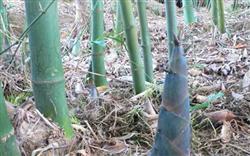
How do you manage sweet bamboo shoots well after planting? Here are the methods.
The general management methods for planting sweet bamboo shoots include the following:
1. Fertilization: Because bamboo shoot yields are high, fertilizer demand is relatively large. Fertilization can begin one month after planting, applying 250-300 kg of plant ash per mu, 100-150 loads of farmyard manure, or 250 kg of poultry manure. Alternating with chemical fertilizers is best. For the first application, use 25-50 g of compound fertilizer per plant (or ammonium bicarbonate mixed with phosphate powder at a 1:1 ratio). To avoid damaging young roots, apply in dug holes, and cover with soil after application to keep the fertilizer from losing effectiveness. After that, fertilize once a month, and the amount should increase gradually according to the growth of the bamboo seedlings. Farmyard manure can be applied frequently, and the more the better.
2. Keeping shoots: Properly keeping good bamboo mother culms is one of the key measures for continuous high yield. After the bamboo seedlings are planted, when new buds (that is, shoots) begin to emerge from the ground in summer and autumn of that year, choose bamboo buds with good site conditions, deeper soil penetration, and thick, strong growth to keep as mother culms for shoot production next year. It is advisable to keep one mother culm for each bamboo planted. The originally planted bamboo seedlings should only be cut down the following summer. After that, mother culms must be kept every year, keeping the new and removing the old, year after year.
3. Clearing the grove: Carry this out each year in November-December. Mainly cut away degraded 4-5 year old mother bamboos, weak seedlings, and sprouts, and hoe away old bamboo stumps to prevent the bamboo clumps from forming compacted discs. Remove dead branches, fallen leaves, weeds, and debris. If there are degraded flowering bamboos, remove the entire clump. Turn the soil thoroughly to 10-15 cm, turn over the soil mounds around the bamboo stumps, and let the soil dry out and mature in the sun to reduce overwintering pests and pathogens.
4. Earthing up: Earthing up can begin after keeping mother culms, and afterward, as the bamboo heads expand, gradually earth up to form bamboo seedling mounds. After the peak shoot production period, earth up thoroughly every year before the summer solstice, which can be done in 2 to 3 rounds. It is best to keep newly grown bamboo shoots from showing above the soil surface, so the shoots will be tender, high-quality, and high-yielding.
5. Turning the soil: After the shoot production period for the bamboo seedling mounds has passed, around the end of November, turn the soil under the bamboo mounds downward and let it overwinter and sun-expose to improve the soil's fertilizer and water retention capacity. By February or March of the next year, soil can be earthed up again for regrowth.
Click to get more bamboo shoot planting techniques
Click to get more vegetable planting techniques