Causes of Open Rice Glumes Without Grain Filling and Control Methods
What should be done when rice glumes open without grain filling? What solutions are available? Please advise. The phenomenon of rice glumes opening without grain filling after heading occurs in many places, mainly on hybrid indica rice; it basically does not occur on japonica rice. Since this phenomenon occurs in different years, and occurs in fields both with and without pesticide application...
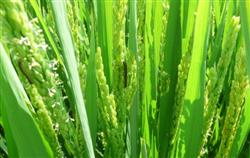
What should be done when rice glumes open without grain filling? What solutions are available? Please advise.
The phenomenon of rice glumes opening without grain filling after heading occurs in many places, mainly on hybrid indica rice; it basically does not occur on japonica rice. Since this phenomenon occurs in different years, and occurs in fields both with and without pesticide application, it has little to do with climate or pesticide phytotoxicity. In recent years, the occurrence of this phenomenon on rice has been mostly limited to certain areas, mainly areas dominated by hybrid rice, and fields where it has occurred usually see it occur every year thereafter. He believes that the phenomenon of rice glumes opening without grain filling is mainly related to soil factors, but whether it is a deficiency of certain nutrient elements or arsenic poisoning is still unknown and requires further research. He suggests that fields where the phenomenon of rice glumes opening without grain filling has occurred should preferably switch to planting japonica rice next year.
Arsenic poisoning may cause rice glumes to open without grain filling. Arsenic poisoning may cause double glumes (twin glumes) to appear after rice flowering, with deformed glumes that do not close properly and curve like a bird's beak; within the glumes there is rarely any grain set, and even if grain is set, there are only very short green grains that do not mature. It occurs more often in fields converted from dryland to paddy. The main reason for deformed glumes, double glumes and failure to set grain in rice is that after long-term dryland fields are converted to rice cultivation, arsenic in the soil becomes enriched in the surface soil; especially where high-yield vegetables have been grown for a long time, sulfur elements become relatively insufficient, and the sulfur-to-arsenic ratio is imbalanced, causing arsenic poisoning in rice. Fields previously planted with cucumber, cowpea and Chinese chives consume more sulfur elements and accumulate arsenic elements, so arsenic poisoning is more likely to occur after conversion to rice. Where there are ditch systems around the field, sulfur elements are more abundant and arsenic elements relatively fewer, so rice poisoning is lighter.
Measures to prevent arsenic poisoning: First, apply more organic fertilizer to increase soil organic matter content, reduce the activity of toxic substances, and improve the rice plant's ability to detoxify. Second, apply more fertilizer containing sulfur. In fields converted from dryland to paddy, when applying base fertilizer, pay attention to reducing the amounts of nitrogen fertilizer and phosphate fertilizer, and for potassium fertilizer it is advisable to use potassium sulfate. Third, adjust the water and slurry management method. Fields converted from dryland to paddy are often relatively high in elevation, and are prone to water shortage and drought in the early stage, so a water layer should be established earlier (before the young panicle differentiation stage) to reduce the concentration of arsenic compounds in the soil and allow them to be released earlier, avoiding suddenly establishing a water layer at the booting stage, because at this time rice is extremely sensitive to arsenic compounds and is prone to poisoning and failure to set grain. Fourth, change the cropping system. Growing rice on dryland is easily threatened by drought, and can easily cause zinc deficiency and manganese poisoning, boron poisoning and arsenic poisoning. Fields where arsenic poisoning occurs year after year should preferably switch to autumn-ripening crops such as vegetables, corn and sweet potato, rather than planting rice, so as to seek advantages and avoid disadvantages.
Other causes can also lead to rice glumes opening without grain filling. For example, if rice encounters adverse environmental conditions during the panicle differentiation and development period, such as abnormal high temperature, abnormal low temperature, or waterlogging, or is stimulated by certain chemicals, phenomena such as deformed glumes and poor grain setting can occur.
The booting stage of rice, especially the pollen mother cell meiosis stage, is the period in the rice life cycle when resistance to the external environment is weakest, and it is extremely sensitive to adverse external conditions. If submerged at this time, phenomena such as rotten panicles and deformed panicles will occur. In young panicles that do not die, spikelets and branches degenerate severely, and after heading there are many white glumes, and deformed panicles may even appear (no spikelets, only the panicle axis). Sometimes high-node tillering occurs at stem nodes in the aboveground part of the rice plant. At the pollen mother cell meiosis and early microspore stages, if the daily average temperature is below 20°C or the daily minimum temperature is less than 17°C, the physiological activities of rice encounter obstacles, which can cause grain deformity and empty shells. As low-temperature intensity increases and the number of consecutive days increases, the damage clearly worsens. Improper application of plant growth regulators such as paclobutrazol or hormone-type herbicides such as MCPA-sodium in paddy fields, especially applying chemicals after rice jointing and using excessive amounts, can also cause deformed glumes.
Click to get more rice cultivation techniques
Click to get more grain crop cultivation techniques