How can rice avoid the impact of high temperatures on grain filling?
How can high temperatures be avoided so they do not affect rice grain filling? Please provide methods to avoid the impact of high temperatures on rice grain filling. Sow at the right time to avoid hot, high temperatures. Schedule the optimal heading and flowering period of single-season middle rice for mid-August, effectively avoiding the frequently occurring high-temperature summer drought weather from late July to early August. Reasonably select...
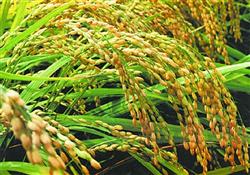
How can high temperatures be avoided so they do not affect rice grain filling? Please provide methods.
To avoid the impact of high temperatures on rice grain filling, sow at the right time to avoid hot, high temperatures. Schedule the optimal heading and flowering period of single-season middle rice for mid-August, effectively avoiding the frequently occurring high-temperature summer drought weather from late July to early August. Reasonably select and apply varieties with relatively strong heat resistance, adjust the later topdressing of rice, and increase the proportion of phosphorus and potassium in fertilization. When rice is in a high-temperature-sensitive period such as heading and flowering, and if high temperatures above 35°C may cause heat damage, deep water can be irrigated in the field, and 3% calcium superphosphate or 0.2% potassium dihydrogen phosphate solution can be sprayed on the leaves to increase the rice plants' resistance to high temperatures and reduce heat damage. If high temperatures have already occurred, strengthen the later management of the affected fields. First, insist on shallow-water moist irrigation. Prevent the interautumn drought from further worsening the disaster. In the later period, avoid cutting off water too early; cutting off water 7-10 days before harvest is appropriate. Second, strengthen the prevention and control of pests and diseases.In addition, ratoon rice can also be cultivated. According to different degrees of damage, cultivating ratoon rice according to local conditions is an effective remedial measure.
Click to get more rice cultivation techniques
Click to get more grain crop cultivation techniques